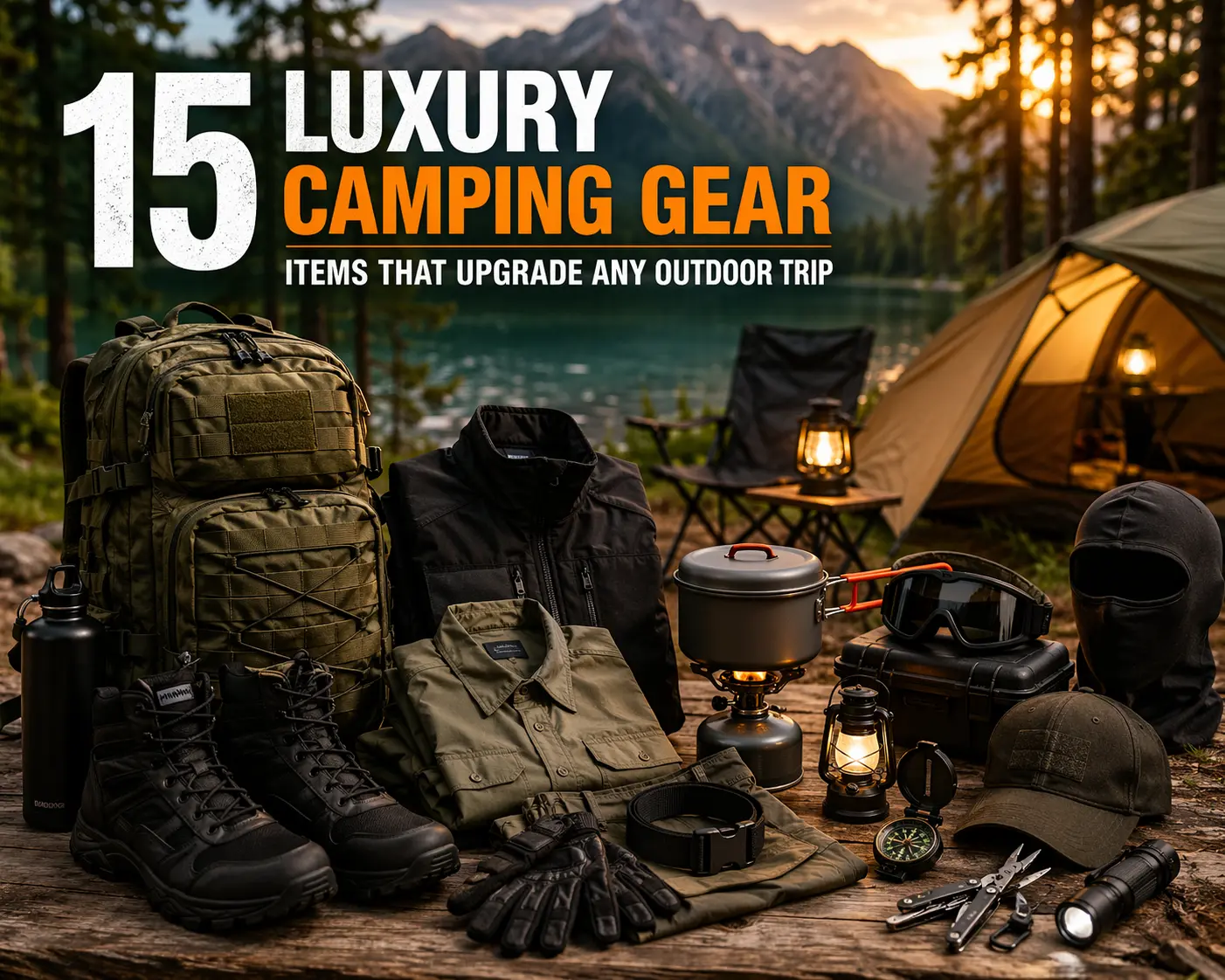
Camping is one of the most rewarding outdoor activities, offering a chance to disconnect from daily stress and reconnect with nature. Whether you are planning a weekend getaway or a longer wilderness adventure, understanding the things needed for camping is essential for a safe, comfortable, and enjoyable experience. Proper preparation can make the difference between a memorable trip and a stressful one, especially when you are far from urban facilities and conveniences.
Essential Shelter and Sleeping Equipment for Camping
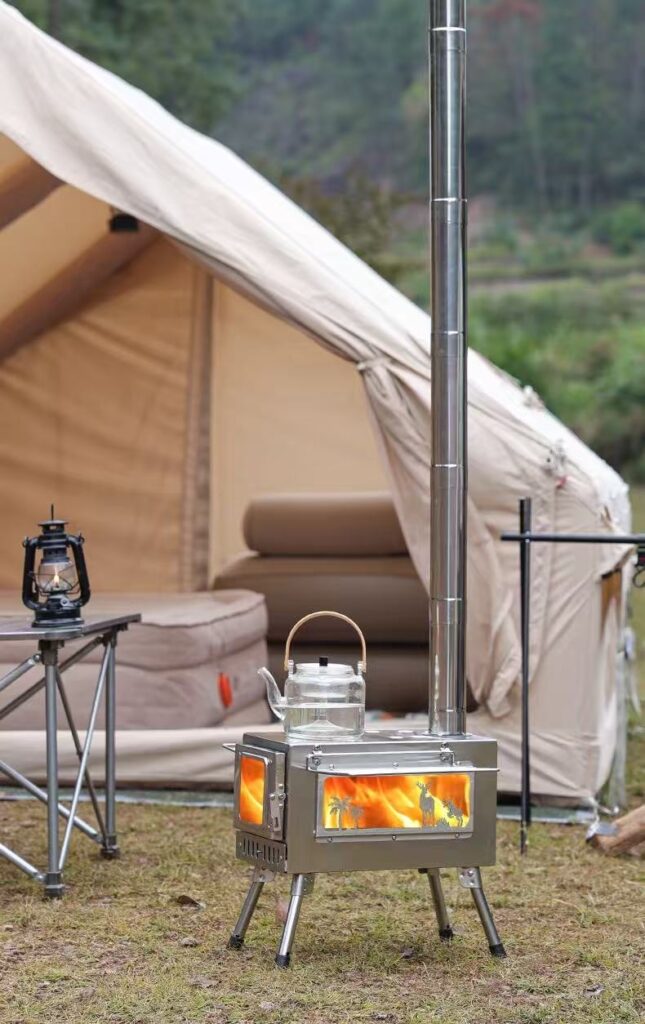
When discussing things needed for camping, shelter is the first and most critical consideration because it protects you from weather conditions such as rain, wind, and extreme temperatures. A reliable tent acts as your temporary home in the outdoors, so selecting the right size and material is important depending on the number of people and the climate you are camping in. Modern tents are designed to be lightweight and easy to set up, but you should always practice pitching your tent before heading out to avoid difficulties in unfamiliar terrain.
Sleeping comfortably is equally important, as rest directly impacts your energy levels and overall camping experience. A high-quality sleeping bag suited to the season ensures warmth during cold nights, while a sleeping pad or air mattress adds insulation and cushioning from the ground. These items not only improve comfort but also help regulate body temperature, which is essential for outdoor survival. Without proper sleeping gear, even a short camping trip can become physically exhausting and uncomfortable.
Cooking and Food Supplies for Outdoor Survival
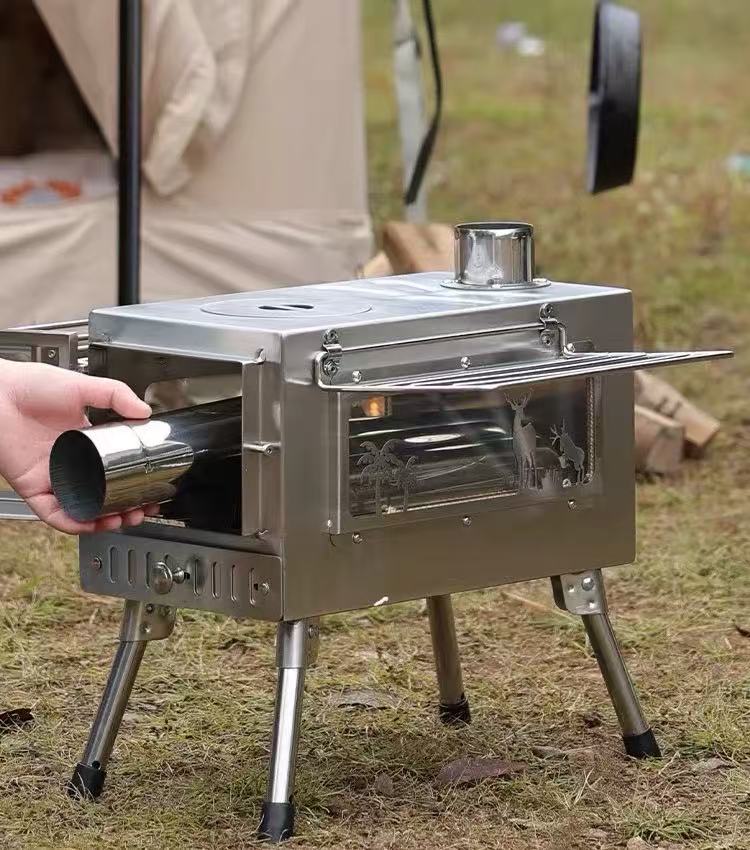
Food preparation is another major component of camping, and having the right cooking equipment ensures that you can prepare meals safely and efficiently. Portable camping stoves are commonly used because they are compact and easy to operate, especially in areas where open fires are restricted. In addition to a stove, you should carry fuel, cooking utensils, and durable cookware that can withstand outdoor conditions without damage.
Proper food storage is equally important to maintain hygiene and prevent contamination, especially in areas with wildlife. Using airtight containers or coolers helps keep food fresh and safe for consumption over multiple days. Water is another crucial factor, and you should always carry enough drinking water or a reliable purification system such as filters or tablets. Clean water is essential not only for drinking but also for cooking and maintaining basic hygiene during your trip.
Clothing and Personal Items for Comfort and Safety
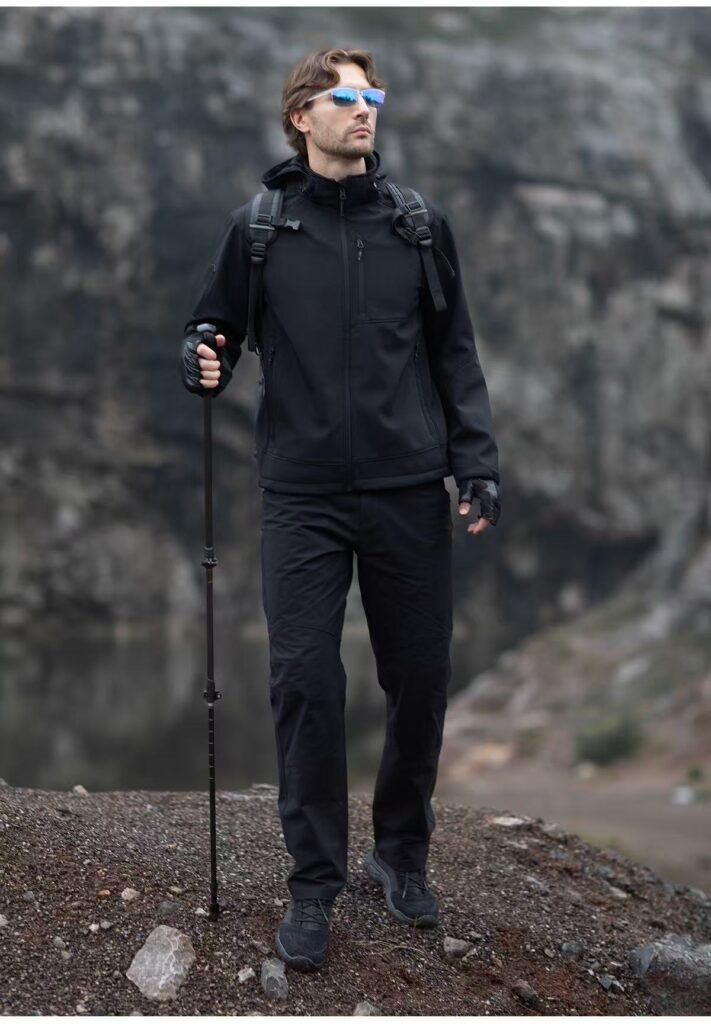
Clothing plays a vital role in ensuring comfort during camping, especially when weather conditions can change rapidly. It is important to pack layered clothing that allows you to adjust according to temperature fluctuations throughout the day and night. Lightweight fabrics are ideal for daytime activities, while insulated layers help retain warmth in colder environments. Waterproof jackets and durable footwear are also necessary to protect against rain and rough terrain.
Personal items such as toiletries and hygiene products should not be overlooked, even in outdoor settings. Items like biodegradable soap, toothbrushes, and towels help maintain cleanliness, which is important for both health and comfort. Additionally, carrying sunscreen, insect repellent, and personal medications ensures protection from environmental hazards such as sunburn and insect bites. These small but essential items significantly contribute to a smoother and more enjoyable camping experience.
Navigation and Safety Gear for Camping Trips
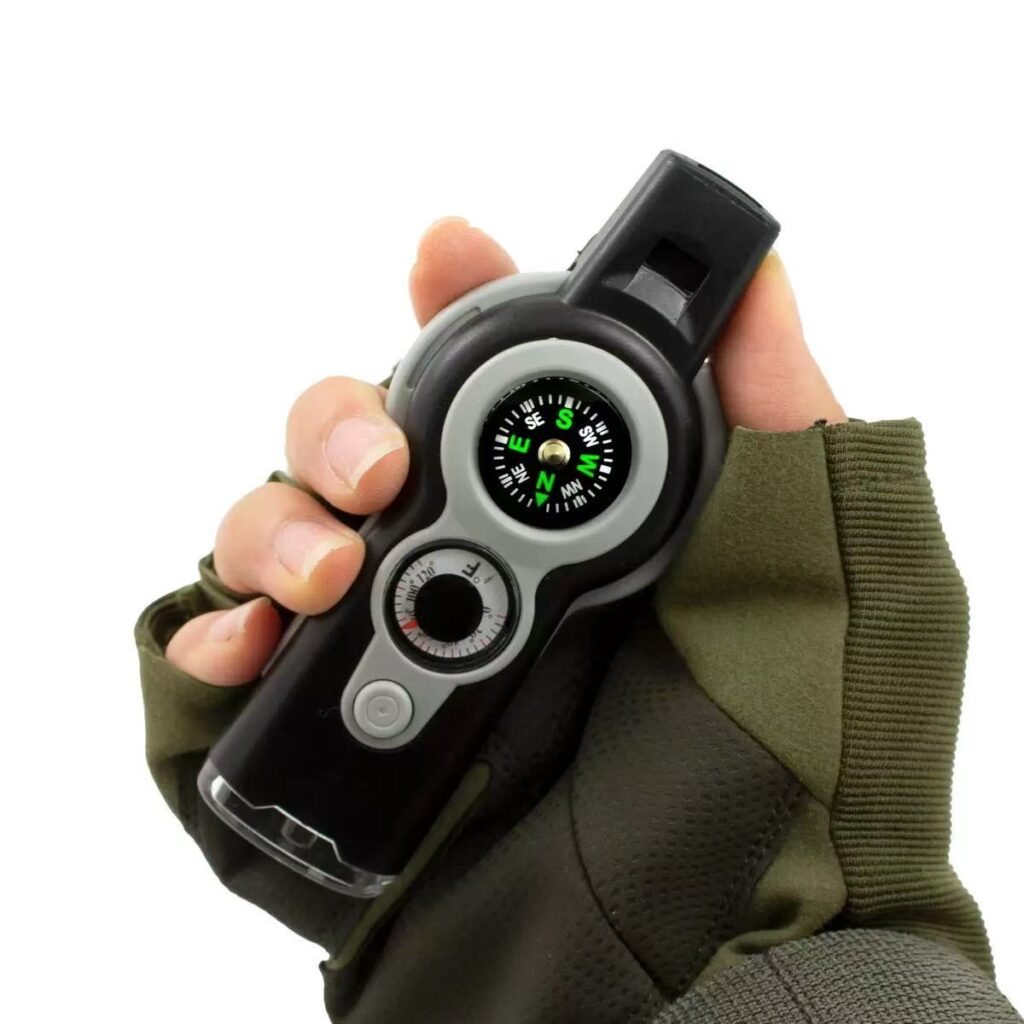
Safety should always be a top priority when considering things needed for camping, especially in remote or unfamiliar areas. Navigation tools such as maps and compasses are essential, even if you rely on digital devices, because electronic gadgets can fail due to battery issues or lack of signal. Learning basic navigation skills can help you stay oriented and avoid getting lost during your trip.
Emergency and safety gear are equally important, as unexpected situations can arise at any time. A well-equipped first aid kit should include bandages, antiseptics, and basic medications to handle minor injuries. Flashlights or headlamps are necessary for visibility at night, while extra batteries ensure that your lighting equipment remains functional. Additionally, carrying a multi-tool or knife can be useful for a variety of tasks, from food preparation to emergency repairs.
Camping Furniture and Comfort Accessories
While camping is often associated with simplicity, having a few comfort items can greatly enhance your overall experience. Portable chairs and folding tables provide a convenient place to sit, relax, and eat meals without discomfort. These items are especially useful for longer camping trips where extended periods of sitting on the ground can become tiring.
Other accessories such as blankets, pillows, and hammocks add an extra layer of comfort, making your outdoor stay more enjoyable. Although these items may seem optional, they contribute significantly to relaxation and overall well-being. When packing, it is important to strike a balance between essential gear and comfort items, ensuring that you do not carry unnecessary weight while still maintaining a pleasant camping environment.
Lighting and Power Solutions for Campsites
Proper lighting is a key aspect of camping, particularly after sunset when visibility becomes limited. Lanterns, headlamps, and portable lights help illuminate your campsite and allow you to perform tasks safely in the dark. Choosing energy-efficient lighting options ensures longer battery life, which is crucial during extended trips without access to electricity.
Power solutions such as portable chargers or solar panels can be extremely useful for keeping essential devices operational. While camping is often about disconnecting, having access to a charged phone or GPS device can be important for emergencies. These power solutions provide a reliable backup and add an extra layer of security during your outdoor adventure.
Hygiene and Waste Management in Camping
Maintaining cleanliness in outdoor environments is essential not only for personal health but also for preserving nature. Proper waste management practices should always be followed, including carrying trash bags and disposing of waste responsibly. Leaving no trace behind helps protect natural ecosystems and ensures that camping areas remain clean for future visitors.
Hygiene practices such as washing hands, cleaning utensils, and maintaining a tidy campsite reduce the risk of illness and discomfort. Using biodegradable products minimizes environmental impact and aligns with responsible camping principles. By prioritizing hygiene and waste management, campers contribute to sustainable outdoor experiences while ensuring their own well-being.
Weather Preparation and Environmental Awareness
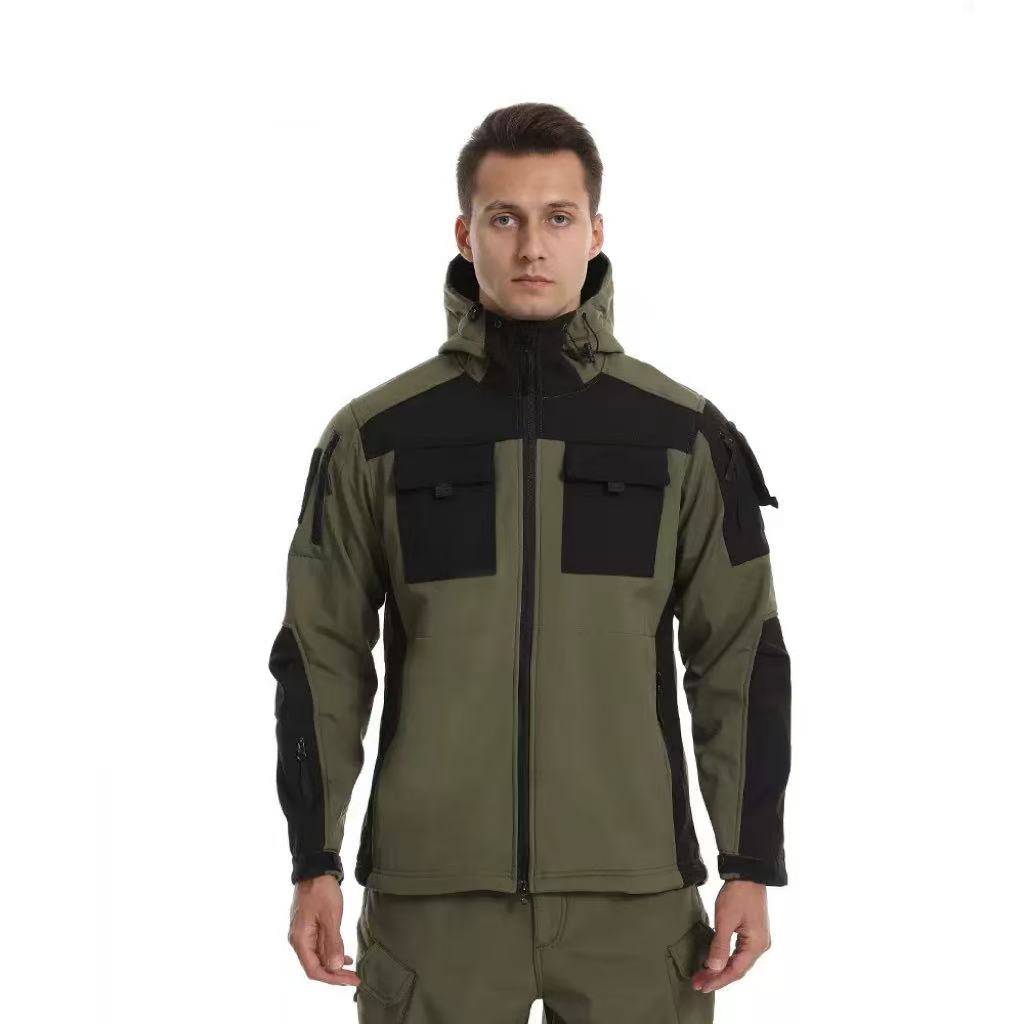
Understanding weather conditions is a crucial part of planning a camping trip, as it directly affects the type of gear you need to carry. Checking forecasts in advance helps you prepare for potential changes, such as rain or temperature drops. Packing appropriate gear based on expected weather conditions ensures that you remain comfortable and safe throughout your trip.
Environmental awareness also plays a significant role in camping, as different locations may present unique challenges such as wildlife encounters or difficult terrain. Being informed about your surroundings allows you to take necessary precautions and adapt your plans accordingly. This level of preparation enhances both safety and enjoyment, making your camping experience more fulfilling and stress-free.
Conclusion
Camping is a fulfilling outdoor activity that requires careful planning and preparation to ensure a successful experience. Understanding the things needed for camping allows you to anticipate challenges and equip yourself with the right tools and gear. From shelter and food supplies to safety equipment and hygiene practices, each element plays a vital role in creating a comfortable and secure environment in the wilderness.
By focusing on essential items and maintaining a balanced approach to packing, you can enjoy the beauty of nature without unnecessary stress. Whether you are a beginner or an experienced camper, following these guidelines will help you make informed decisions and enhance your overall outdoor experience. Proper preparation not only ensures safety but also allows you to fully enjoy the adventure that camping offers.
FAQs About Things Needed for Camping
What are the most important things needed for camping?
The most important camping essentials include a tent, sleeping bag, food supplies, water, cooking equipment, and safety gear. These items ensure basic survival, comfort, and protection from environmental conditions, making them essential for any camping trip.
How do I prepare for my first camping trip?
Preparing for your first camping trip involves researching your destination, checking weather conditions, and creating a detailed packing list. It is also helpful to test your equipment beforehand and learn basic skills such as setting up a tent and using navigation tools.
How much water should I bring for camping?
The amount of water depends on the duration of your trip and the number of people involved, but a general guideline is at least 2–3 liters per person per day. Additional water may be needed for cooking and cleaning, so carrying a purification system is also recommended.
What clothing is best for camping?
Layered clothing is ideal for camping because it allows you to adjust to changing temperatures. Lightweight fabrics are suitable for daytime, while insulated and waterproof layers provide warmth and protection during colder or wet conditions.
Why is safety gear important in camping?
Safety gear is crucial because it prepares you for unexpected situations such as injuries, getting lost, or equipment failure. Items like first aid kits, flashlights, and navigation tools help ensure your safety and provide peace of mind during your trip.