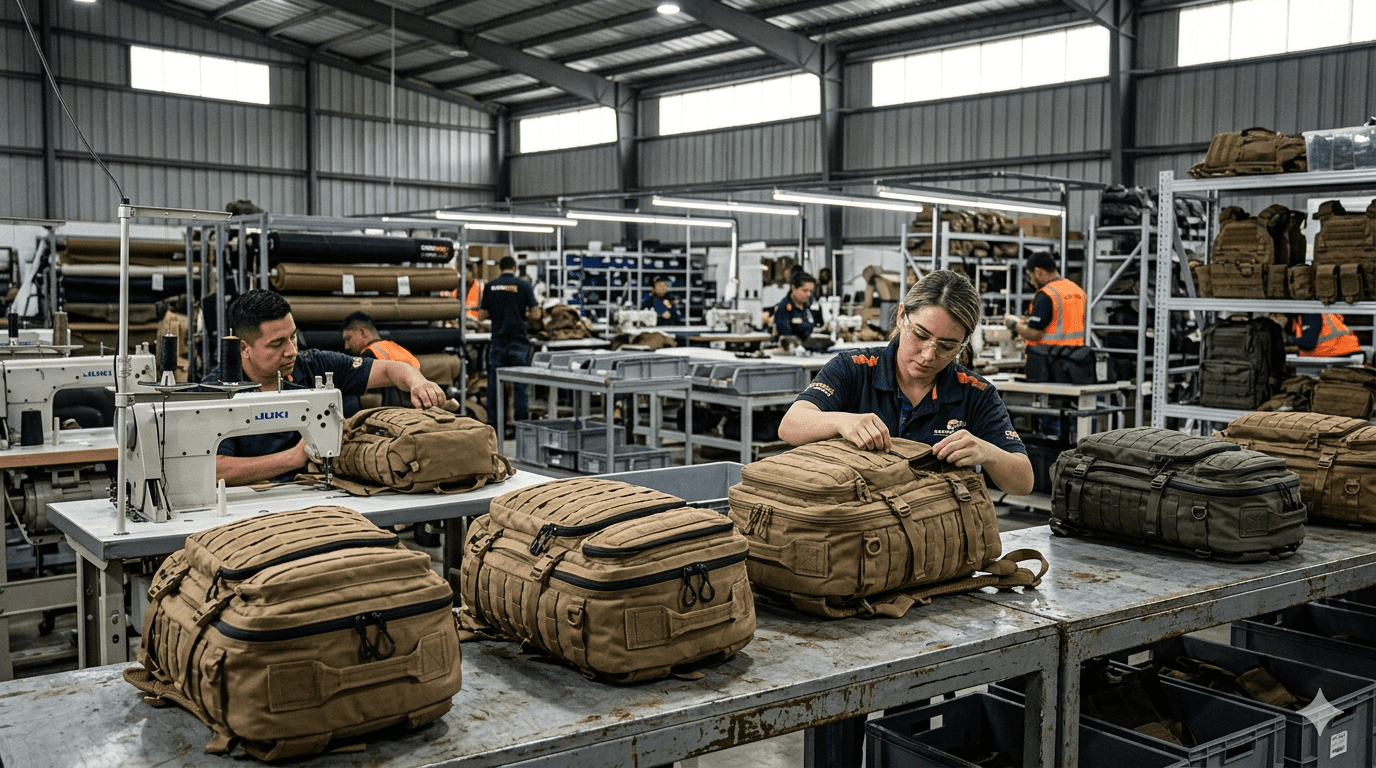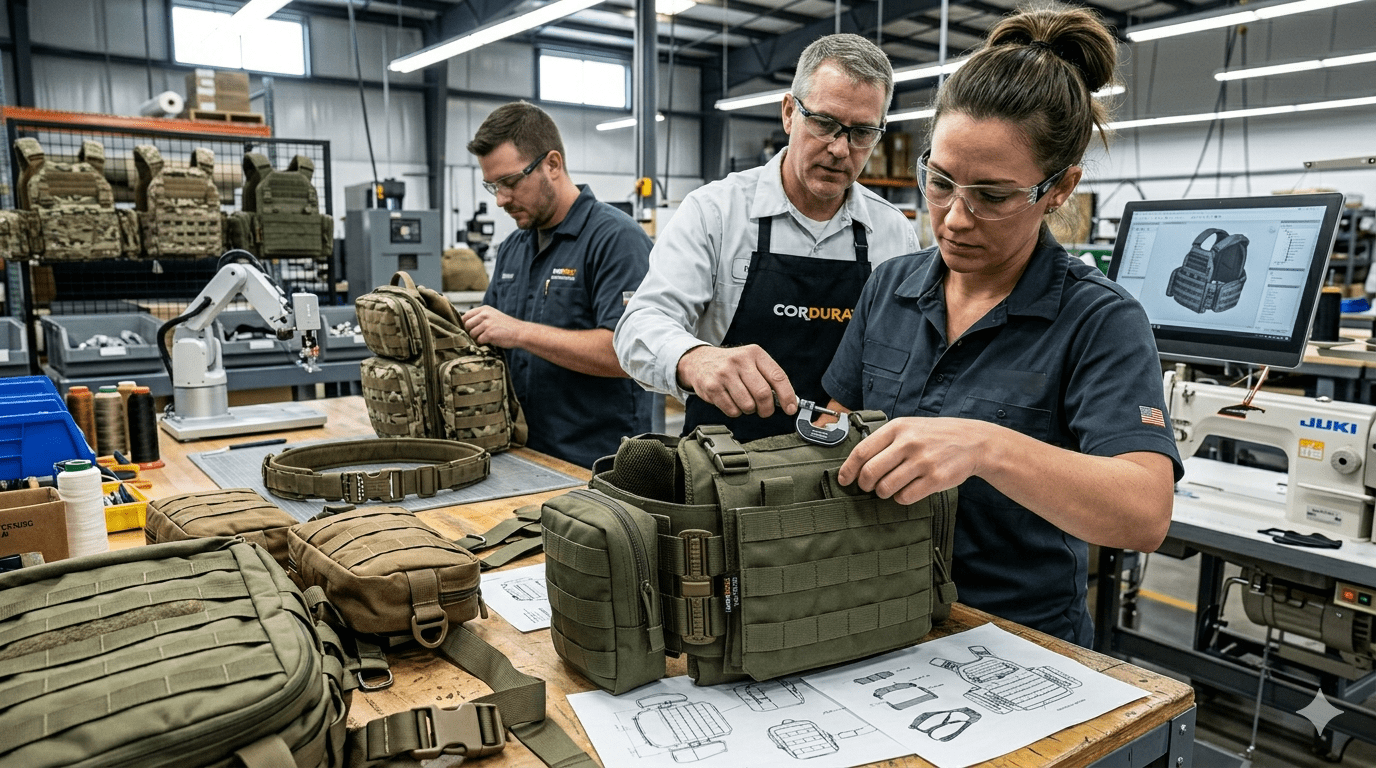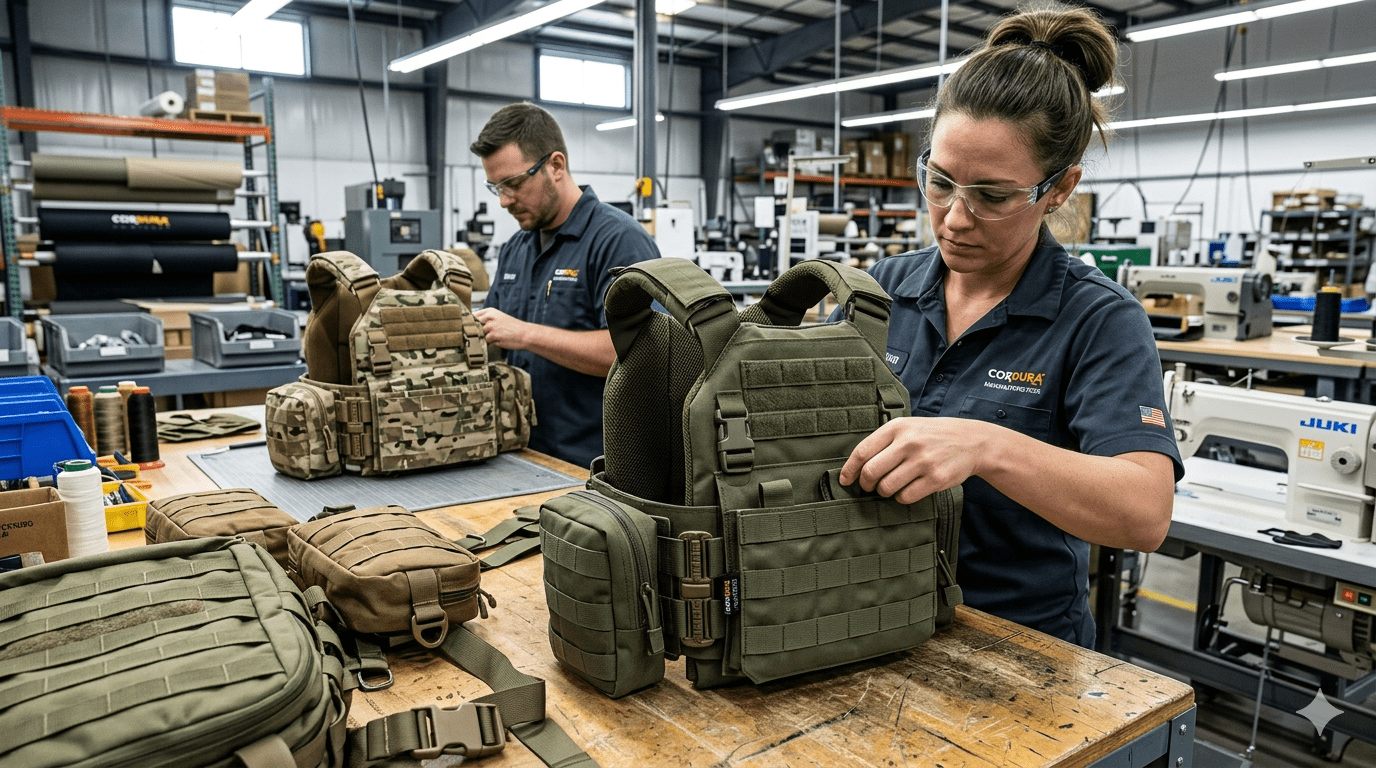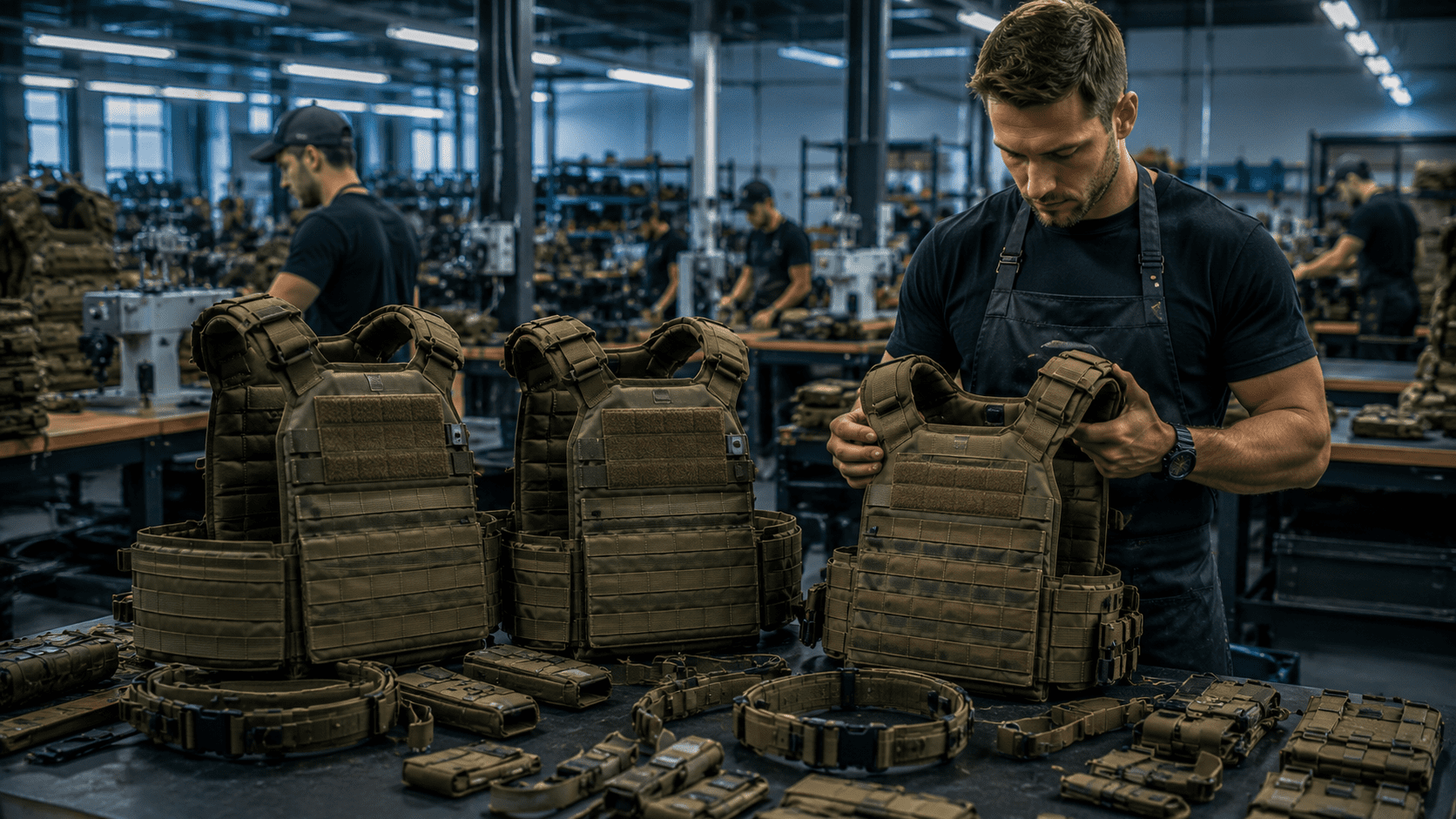
The demand for high-quality tactical equipment has grown significantly across the United States as military organizations, law enforcement agencies, security companies, outdoor brands, and emergency response teams continue to require durable and dependable gear. At the same time, the expansion of eCommerce and private-label businesses has created new opportunities for distributors, wholesalers, importers, and procurement managers looking for reliable tactical equipment manufacturers.
However, choosing the right manufacturing partner is far more complex than comparing product catalogs or selecting the lowest quotation. A poor supplier can lead to inconsistent quality, delayed shipments, compliance issues, and damaged brand reputation. Conversely, an experienced tactical gear manufacturer can become a long-term strategic partner by providing superior quality, customization capabilities, stable production capacity, and competitive pricing.
For B2B buyers in the USA, the decision should be based on manufacturing expertise, quality assurance systems, OEM and ODM capabilities, certifications, minimum order quantities (MOQ), and supply chain reliability rather than price alone. Businesses that follow a structured supplier evaluation process often achieve higher profit margins, better customer retention, and lower operational risks.
This comprehensive guide explains how to evaluate tactical equipment manufacturers, what products they produce, the factors affecting pricing, and the best practices for selecting a supplier that supports long-term business growth.
Understanding Tactical Equipment Manufacturing
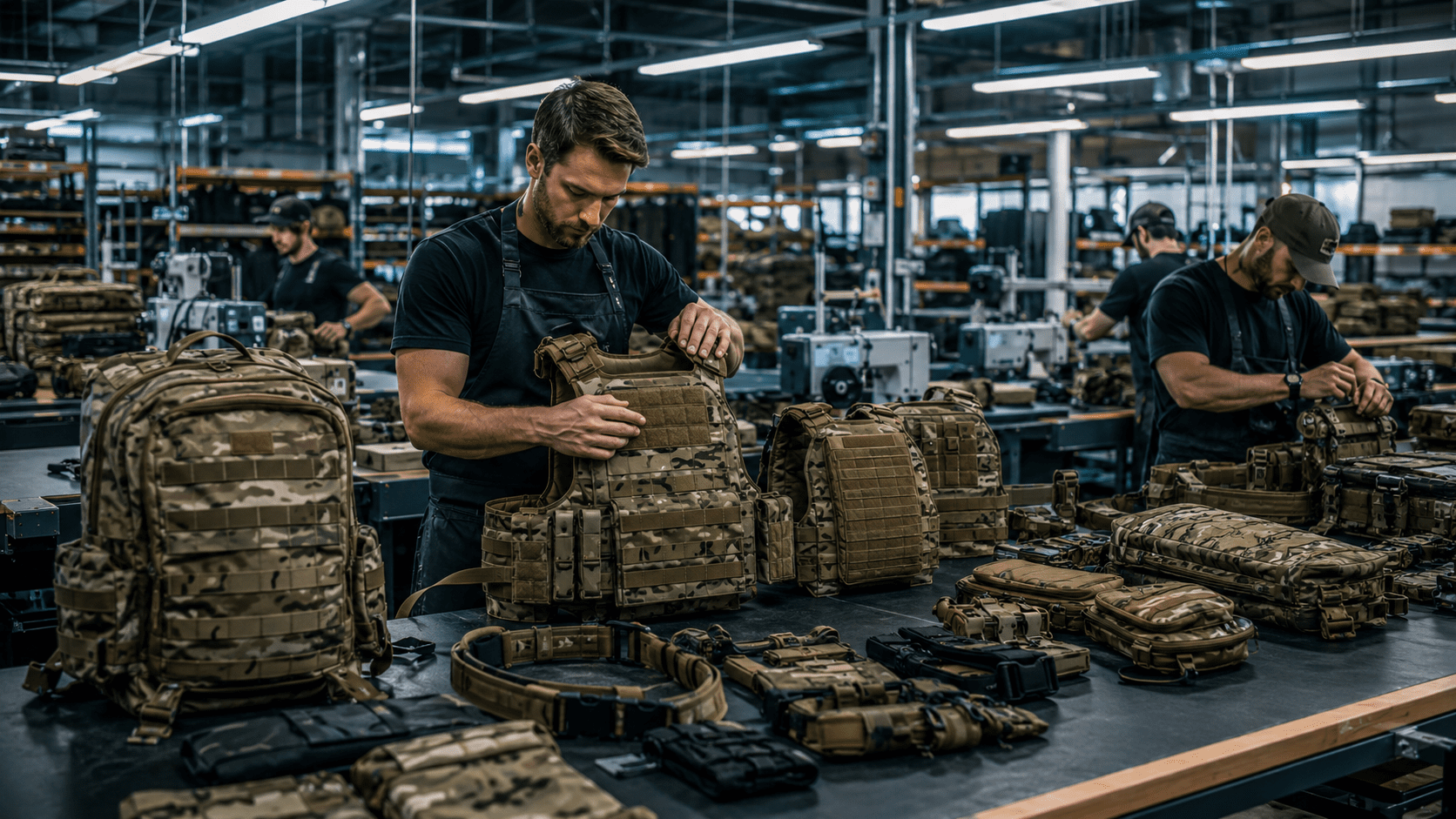
Tactical equipment manufacturing involves the design, engineering, and production of specialized products intended for demanding environments where durability, reliability, and functionality are essential. Unlike standard consumer goods, tactical products must withstand heavy use, harsh weather conditions, and continuous operational stress.
Manufacturers typically supply products for multiple industries, including:
- Military organizations
- Law enforcement agencies
- Private security companies
- Outdoor recreation brands
- Hunting equipment suppliers
- Emergency response teams
- Government procurement contractors
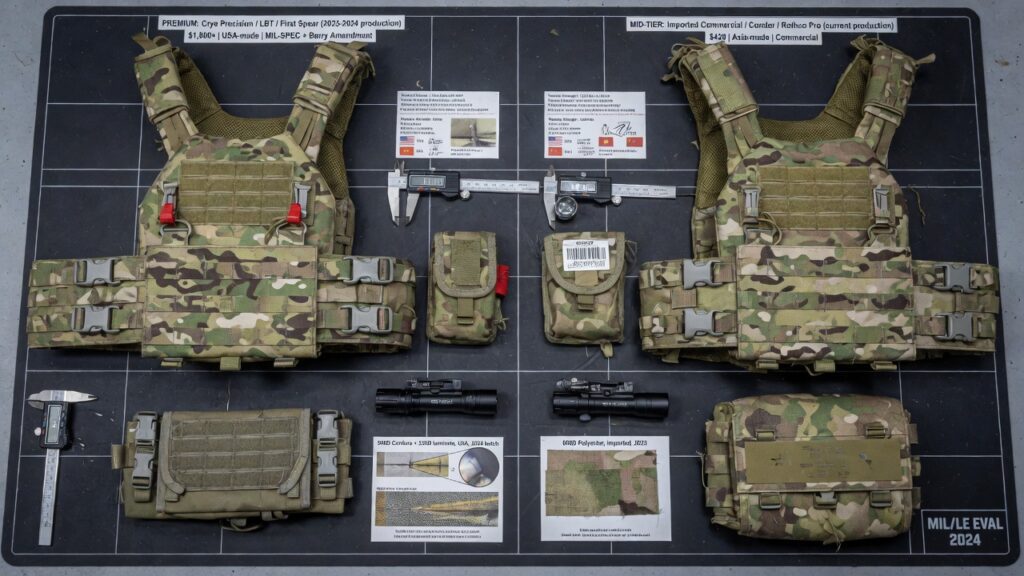
Because these industries operate in mission-critical environments, product quality cannot be compromised. A tactical backpack, plate carrier, or utility pouch that fails under pressure can result in operational disruption and significant financial losses for distributors and end users alike.
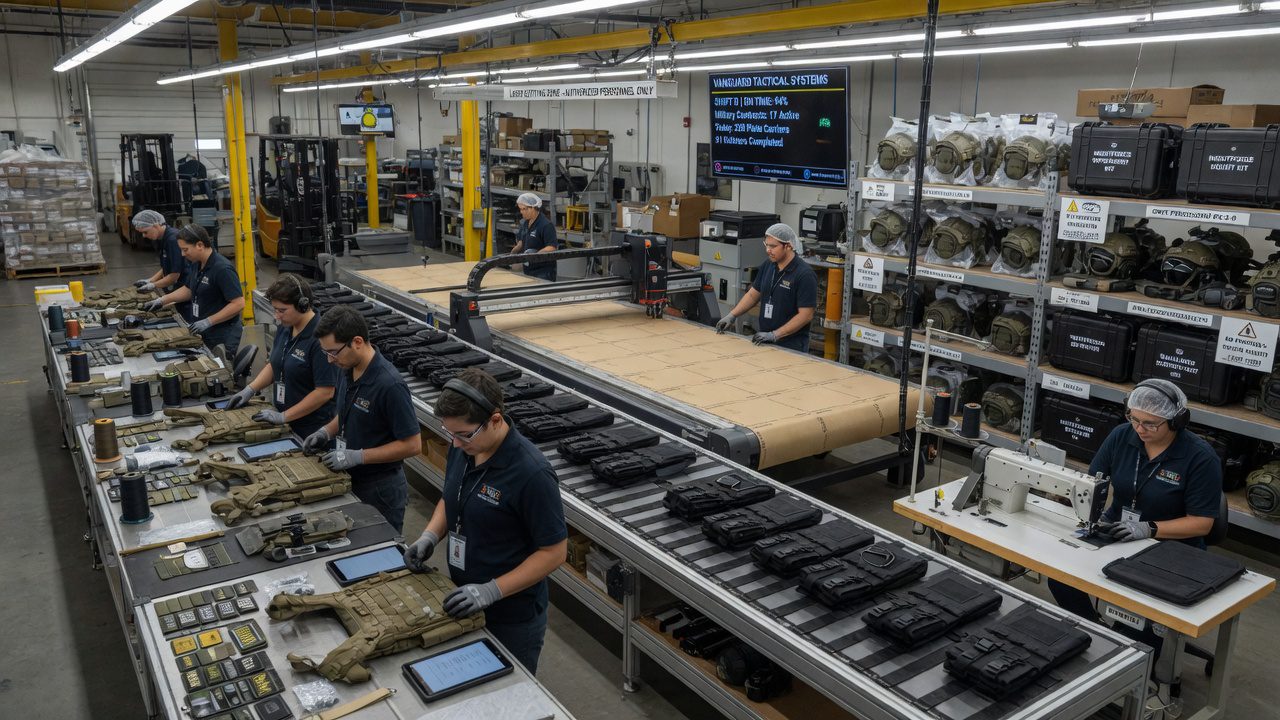
As a result, reputable tactical equipment manufacturers invest heavily in material sourcing, precision manufacturing, quality inspection, and product testing before shipment.
Why Choosing the Right Tactical Equipment Manufacturer Matters
Many buyers focus primarily on price when sourcing tactical gear. While cost remains important, experienced procurement managers understand that the lowest-priced supplier often creates the highest long-term expense.
Working with a professional tactical equipment manufacturer provides several competitive advantages:
Consistent Product Quality
Consistency is one of the most valuable assets in B2B procurement. Customers expect every shipment to meet the same specifications regardless of production batch. Professional manufacturers implement standardized operating procedures and multiple quality inspection stages to maintain consistency.
Better Brand Reputation
Private-label brands rely entirely on product quality to build customer trust. Durable stitching, premium materials, and reliable hardware improve customer satisfaction and encourage repeat purchases.
Lower Supply Chain Risk
Reliable manufacturers maintain organized production schedules, stable sourcing networks, and experienced logistics teams, reducing the likelihood of delayed deliveries or inventory shortages.
Greater Customization Opportunities
OEM manufacturers allow buyers to create unique products tailored to their target market. Instead of competing solely on price, businesses can differentiate themselves through design, branding, and functionality.
Types of Tactical Equipment Manufacturers
Understanding the different manufacturing models helps buyers choose the most suitable sourcing strategy.
OEM Manufacturers
OEM (Original Equipment Manufacturer) companies produce products according to the buyer’s specifications. The customer controls branding, design modifications, packaging, and technical requirements while the manufacturer handles production.
OEM manufacturing is ideal for:
- Established brands
- Importers
- Large distributors
- Government contractors
- Private-label businesses
The biggest advantage is product differentiation. Businesses can create exclusive product lines that strengthen brand identity and reduce direct competition.
ODM Manufacturers
ODM (Original Design Manufacturer) suppliers already possess existing product designs that buyers can customize with logos and packaging.
This model offers:
- Faster market entry
- Lower development costs
- Reduced design investment
- Shorter production cycles
For companies launching new tactical brands, ODM solutions often provide an efficient balance between customization and affordability.
Private Label Manufacturing
Private-label manufacturing enables businesses to sell products under their own brand without operating production facilities.
Typical private-label tactical products include:
- Tactical backpacks
- Utility pouches
- Medical kits
- Tactical gloves
- Belts
- Outdoor survival gear
This business model allows companies to focus on marketing, distribution, and customer service while manufacturing is outsourced to specialized factories.
Popular Products Manufactured by Tactical Equipment Manufacturers
Professional tactical gear manufacturers typically produce a wide product portfolio to serve different industries.
| Product | Primary Applications |
|---|---|
| Tactical Backpacks | Military, hiking, law enforcement |
| Plate Carriers | Defense and security |
| Tactical Vests | Police and military operations |
| Utility Pouches | Equipment organization |
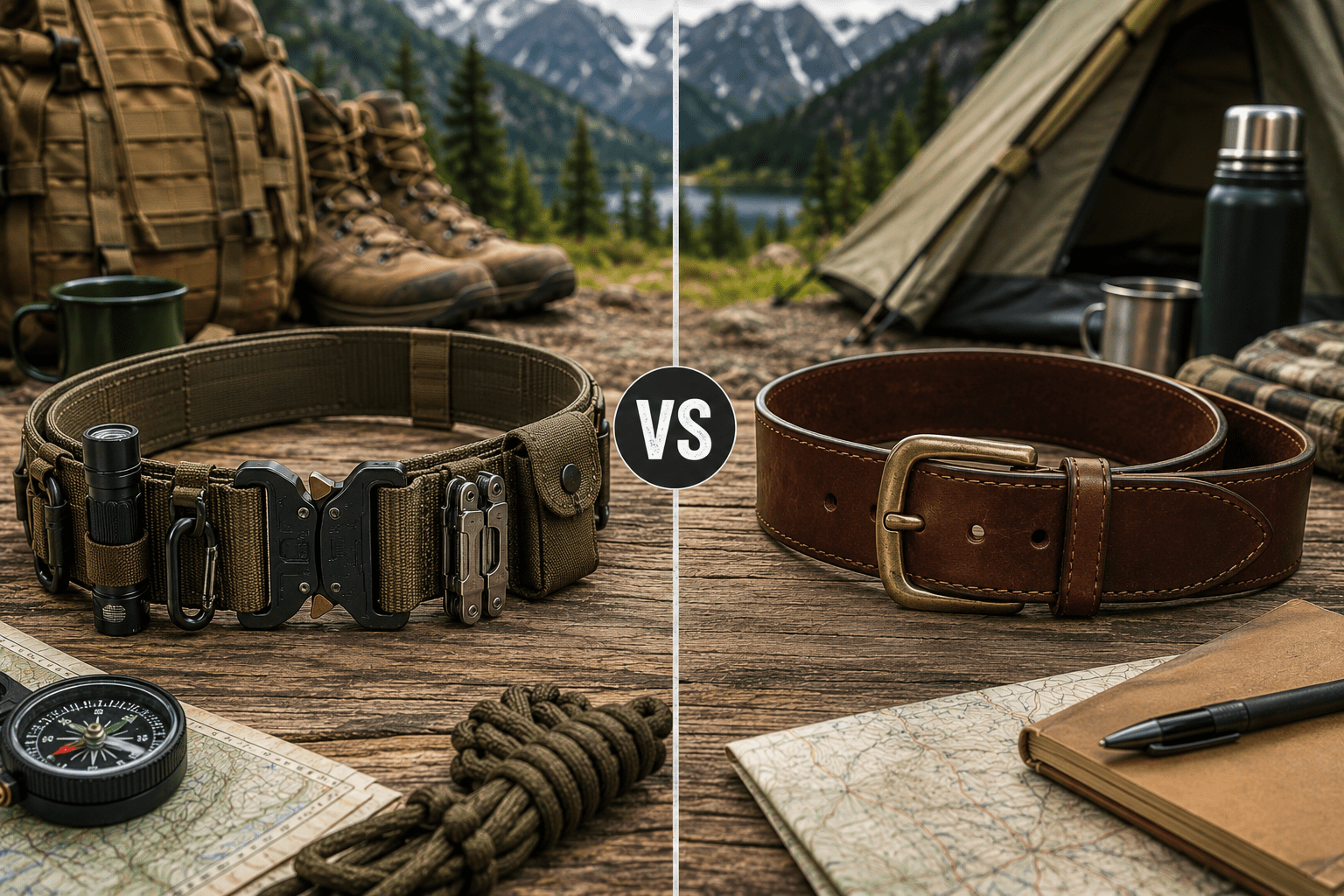
| Tactical Belts | Security professionals |
| Medical Pouches | Emergency response |
| Gloves | Outdoor and tactical use |
| Uniforms | Military and security |
| Helmet Covers | Field operations |
| Knee and Elbow Pads | Tactical training and combat support |
Each product category requires specialized production techniques, reinforced construction, and rigorous quality control to ensure durability under demanding conditions.
Manufacturing Capabilities Every B2B Buyer Should Evaluate
Supplier selection should extend beyond product appearance. Buyers must evaluate the manufacturer’s technical capabilities, production systems, and operational standards.
Material Selection
Premium tactical equipment is commonly manufactured using high-performance materials such as:
- 500D Nylon
- 1000D Cordura
- Ripstop Polyester
- Ballistic Nylon
- Waterproof TPU-coated fabrics
The choice of material directly affects abrasion resistance, weight, durability, and weather performance.
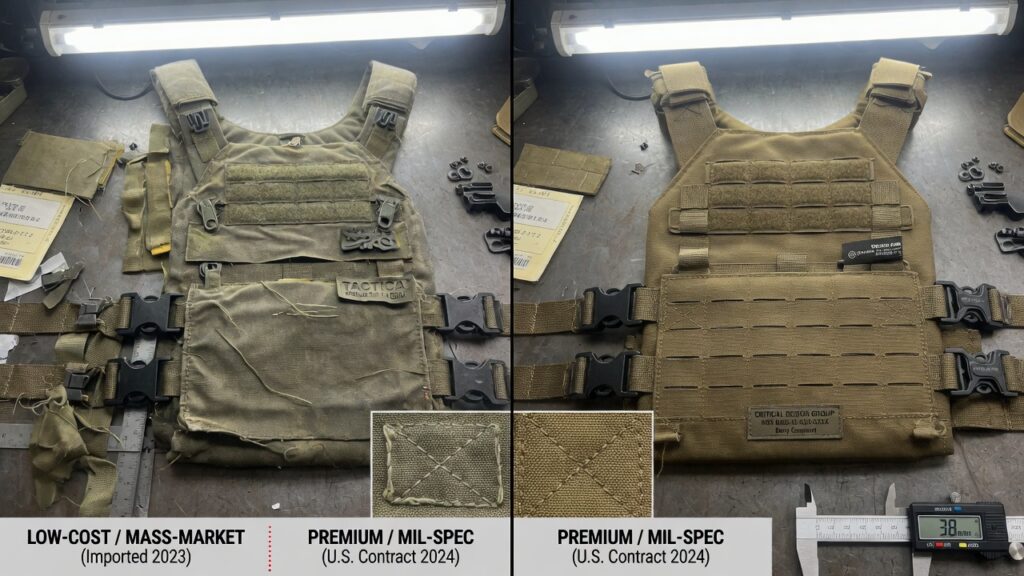
Advanced Stitching Technology
High-quality tactical gear depends heavily on stitching strength. Professional manufacturers utilize:
- Double stitching
- Reinforced seams
- Bartack reinforcement
- Heavy-duty industrial thread
These techniques significantly improve product lifespan and reduce field failures.
Premium Hardware Components
Reliable manufacturers source components from reputable suppliers to ensure long-term performance.
Common premium components include:
- Heavy-duty zippers
- Military-grade buckles
- Hook-and-loop fastening systems
- Reinforced webbing
- Corrosion-resistant metal hardware
Even small hardware failures can compromise the functionality of an otherwise well-designed product.
OEM Customization Options for B2B Buyers
Customization is one of the primary reasons businesses work directly with tactical equipment manufacturers instead of purchasing generic products.
Manufacturers commonly offer:
Logo Customization
- Embroidery
- Rubber patches
- Woven labels
- Heat transfer printing
- Metal logos
Product Customization
- Material upgrades
- Additional compartments
- MOLLE compatibility
- Custom dimensions
- Reinforced handles
Packaging Customization
- Retail packaging
- Instruction manuals
- Barcode labels
- Hang tags
- Customized cartons
These options enable businesses to create distinctive products that align with their brand positioning and target customers.
Frequently Asked Questions (FAQs)
1. What do tactical equipment manufacturers produce?
Tactical equipment manufacturers produce a wide range of products designed for military, law enforcement, security, outdoor, and emergency response applications. Common products include tactical backpacks, plate carriers, tactical vests, pouches, belts, uniforms, gloves, medical kits, and other mission-critical gear. Many manufacturers also provide OEM and private label services for businesses.
2. How do I choose the best tactical equipment manufacturer for my business?
When selecting a manufacturer, evaluate factors such as production capacity, quality control processes, certifications, customization capabilities, export experience, communication efficiency, and customer references. Request product samples and conduct factory audits whenever possible before placing large orders.
3. What is the difference between OEM and ODM tactical equipment manufacturing?
OEM (Original Equipment Manufacturer) production allows buyers to customize products according to their own specifications, branding, and designs. ODM (Original Design Manufacturer) suppliers offer existing product designs that buyers can rebrand or slightly modify, providing a faster and more cost-effective solution.
4. What is the typical MOQ for tactical equipment manufacturers?
Minimum Order Quantity (MOQ) varies depending on the product type and level of customization. Standard products may require 100–300 units, while fully customized OEM projects often require 500–1,000 units or more. Many manufacturers are willing to negotiate MOQs for long-term partnerships.
5. Can tactical equipment manufacturers provide custom branding?
Yes. Most professional manufacturers offer customization options such as embroidered logos, rubber patches, woven labels, custom colors, personalized packaging, private labeling, and unique product specifications to help businesses build their own brands.
6. What quality certifications should a tactical equipment manufacturer have?
Reputable manufacturers often operate under quality management systems such as ISO 9001 and may comply with standards like BSCI, REACH, or RoHS where applicable. Buyers should always verify certifications and request supporting documentation before placing orders.
7. What factors affect the pricing of tactical equipment?
Pricing depends on multiple factors, including material quality, manufacturing complexity, customization requirements, hardware components, order quantity, packaging, labor costs, and shipping method. Higher-quality materials and advanced customization generally increase unit costs but can improve long-term value.
8. How long does it take to manufacture and deliver tactical equipment?
Production timelines typically range from 30 to 45 days after sample approval, depending on order size and customization. Shipping time varies based on the destination and transportation method, with air freight being faster but more expensive than sea freight.
9. Why is quality control important when sourcing tactical gear?
Tactical equipment is often used in demanding environments where durability and reliability are critical. Strong quality control ensures consistent stitching, material strength, hardware performance, and product safety, reducing returns and protecting your brand reputation.
10. Why should distributors and wholesalers work directly with tactical equipment manufacturers?
Working directly with manufacturers often provides better pricing, greater customization options, improved quality consistency, faster product development, and stronger long-term supply chain relationships. It also enables businesses to create exclusive private-label products and achieve higher profit margins compared to buying through intermediaries.