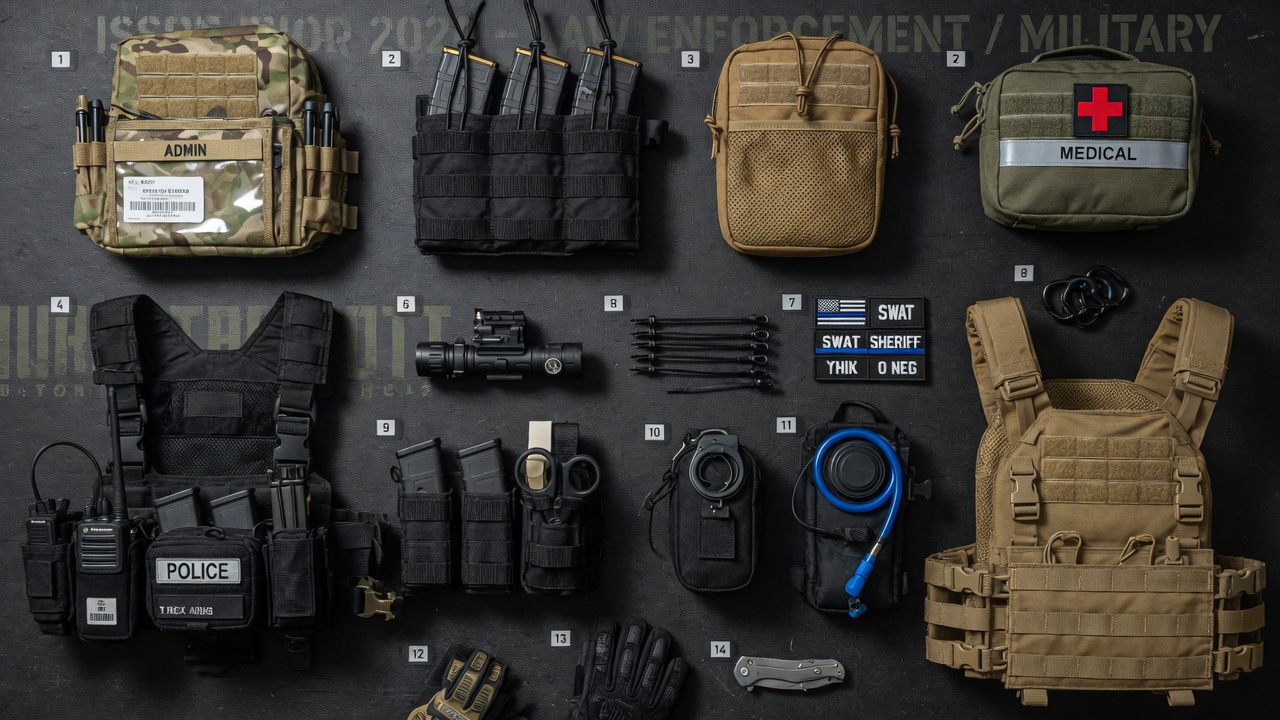
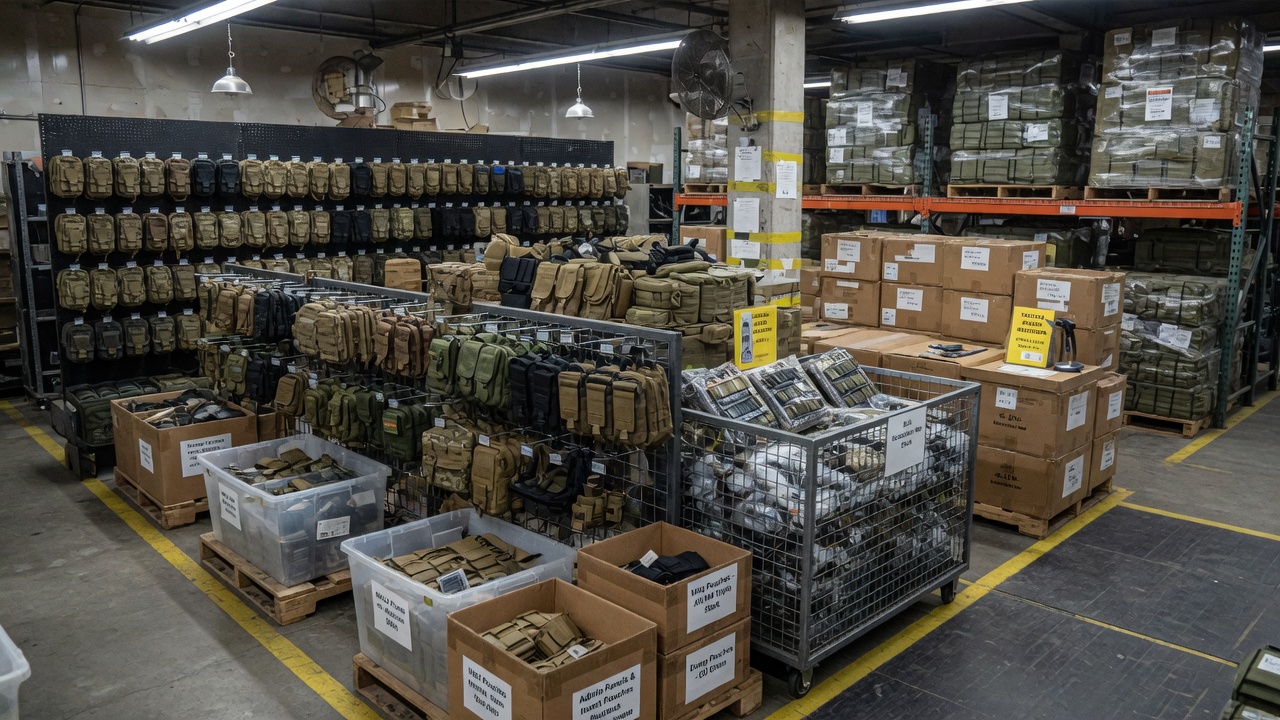
The global demand for tactical and military-grade equipment has increased significantly in recent years. From law enforcement agencies and security companies to outdoor survival brands and tactical retailers, the need for durable, high-performance military gear is expanding rapidly.
For businesses looking to enter or scale in this industry, partnering with a private label military gear supplier is one of the most effective strategies. It allows companies to launch branded tactical products without investing in manufacturing infrastructure, while still maintaining full control over branding, design, and market positioning.
Countries like China, Pakistan, and Vietnam have become major hubs for tactical and military equipment manufacturing, offering OEM and ODM services for global buyers.
What is a Private Label Military Gear Supplier?
A private label military gear supplier manufactures tactical and defense-related products that are sold under a client’s brand name.
Instead of producing gear from scratch, businesses partner with factories that handle:
- Product manufacturing
- Branding and labeling
- Packaging design
- Custom specifications
- Quality control
- Export logistics
This model allows companies to quickly build their own tactical brand without owning production facilities.
Why Choose a Private Label Military Gear Supplier?
Working with a professional supplier provides several strategic advantages:
1. Low Startup Cost
No need for factories or machinery investment. You only pay for production.
2. Fast Market Entry
Ready-made designs and OEM solutions help you launch products quickly.
3. Full Brand Control
You can sell products under your own military or tactical brand.
4. High Profit Margins
Private labeling allows better pricing control and improved margins.
5. Custom Product Development
ODM services let you modify or design gear based on your requirements.
Types of Military Gear Available for Private Label
A reliable supplier can manufacture a wide range of tactical and military equipment.
Tactical Clothing
- Combat uniforms
- Tactical pants
- Military jackets
- Camouflage suits
- Flame-resistant clothing
- Training wear
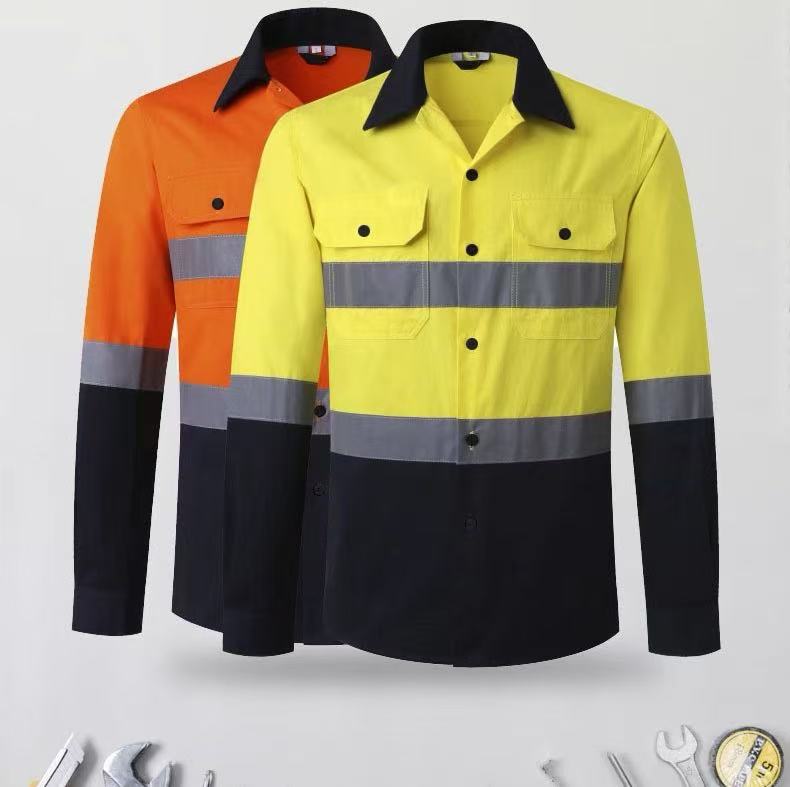
- Security uniforms
Tactical Backpacks
- Assault backpacks
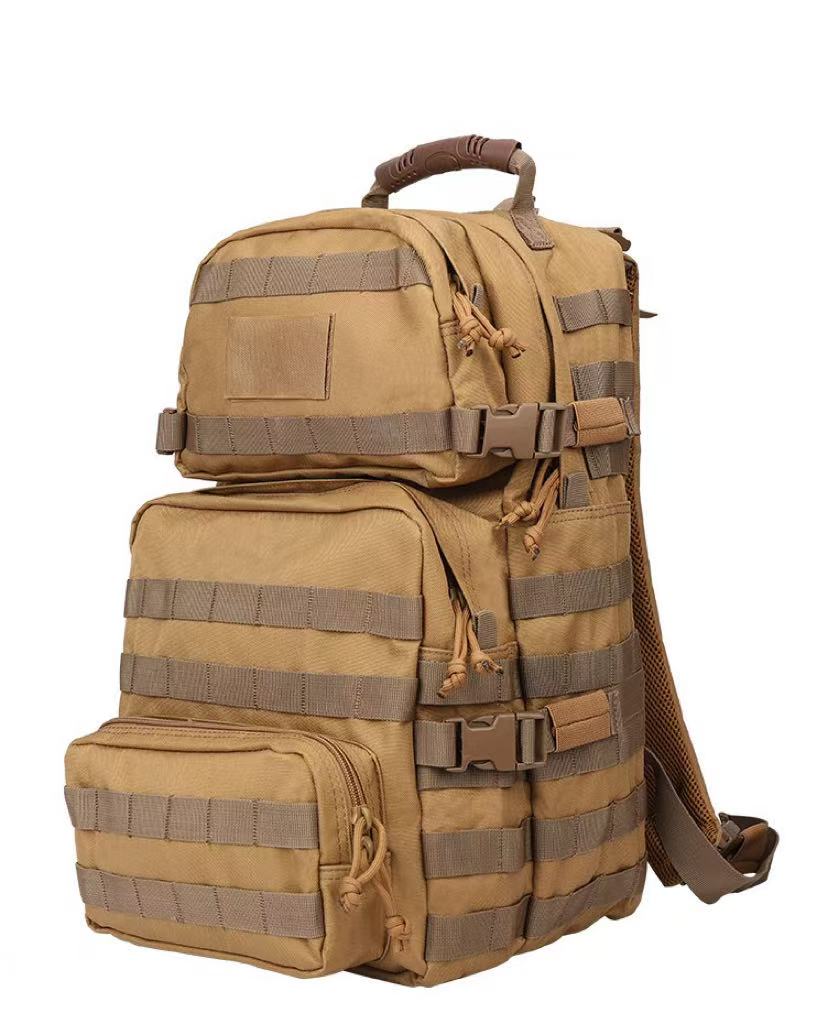
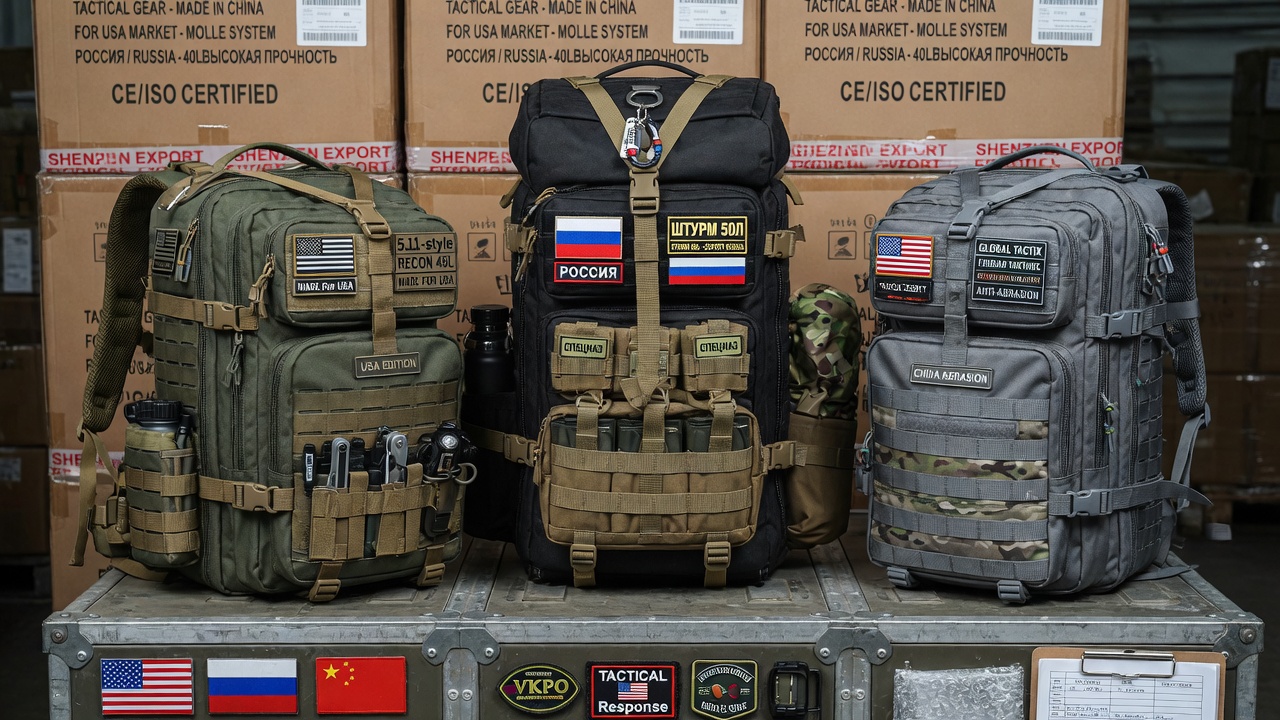
- MOLLE system backpacks
- Hydration backpacks
- Combat packs
- Survival backpacks
- Waterproof tactical bags
Protective Gear
- Ballistic vests (non-restricted versions depending on country laws)
- Knee and elbow pads
- Tactical gloves
- Helmets (non-ballistic training helmets)
- Face protection gear
Tactical Accessories
- Holsters
- Utility belts
- Pouches (ammo, medical, utility)
- Tactical knives (where legally allowed)
- Multi-tools
- Carabiners
- Paracord ropes
Outdoor Survival Equipment
- Emergency kits
- Fire starters
- Flashlights and torches
- Night vision accessories (export-controlled in some regions)
- Compasses
- Water filtration tools
Military Footwear
- Combat boots
- Desert boots
- Waterproof tactical boots
- Jungle boots
- Anti-slip security boots
OEM vs ODM in Military Gear Manufacturing
Understanding OEM and ODM is critical when working with a private label military gear supplier.
OEM (Original Equipment Manufacturer)
OEM means you provide the design or branding, and the factory produces it.
Includes:
- Logo printing
- Custom color schemes
- Brand packaging
- Labeling and tags
Best for brands that already have product designs.
ODM (Original Design Manufacturer)
ODM allows suppliers to design and develop products for you.
Includes:
- Product design modifications
- Material upgrades
- Structural improvements
- Full product creation
Best for startups and new tactical brands.
Quality Standards in Military Gear Production
Military and tactical equipment must meet strict durability and performance requirements.
Common quality control processes include:
- Fabric tensile testing
- Load-bearing tests
- Stitching reinforcement checks
- Water resistance testing
- Heat and abrasion resistance tests
- Field performance simulation
High-quality suppliers ensure products can withstand extreme environments.
Materials Used in Military Gear Manufacturing
Premium materials are essential for durability and field performance.
Common materials include:
- Cordura fabric
- Oxford nylon
- Ripstop polyester
- Kevlar blends (restricted applications)
- TPU coatings
- Heavy-duty canvas
- Aluminum alloy components
- Reinforced polymer plastics
- Stainless steel hardware
Material selection depends on product use and tactical requirements.
Who Uses Private Label Military Gear?
Private label tactical gear is used across multiple industries:
- Security companies
- Military contractors
- Police departments
- Outdoor survival brands
- Tactical retailers
- Hunting and shooting sports brands
- Government procurement agencies
- E-commerce tactical stores
- Emergency response teams
Benefits for Importers & Wholesalers
Importing from a private label military gear supplier offers strong business advantages:
Higher Profit Margins
Direct sourcing reduces costs and increases resale value.
Brand Building
You can establish a strong tactical or defense brand identity.
Bulk Production Capability
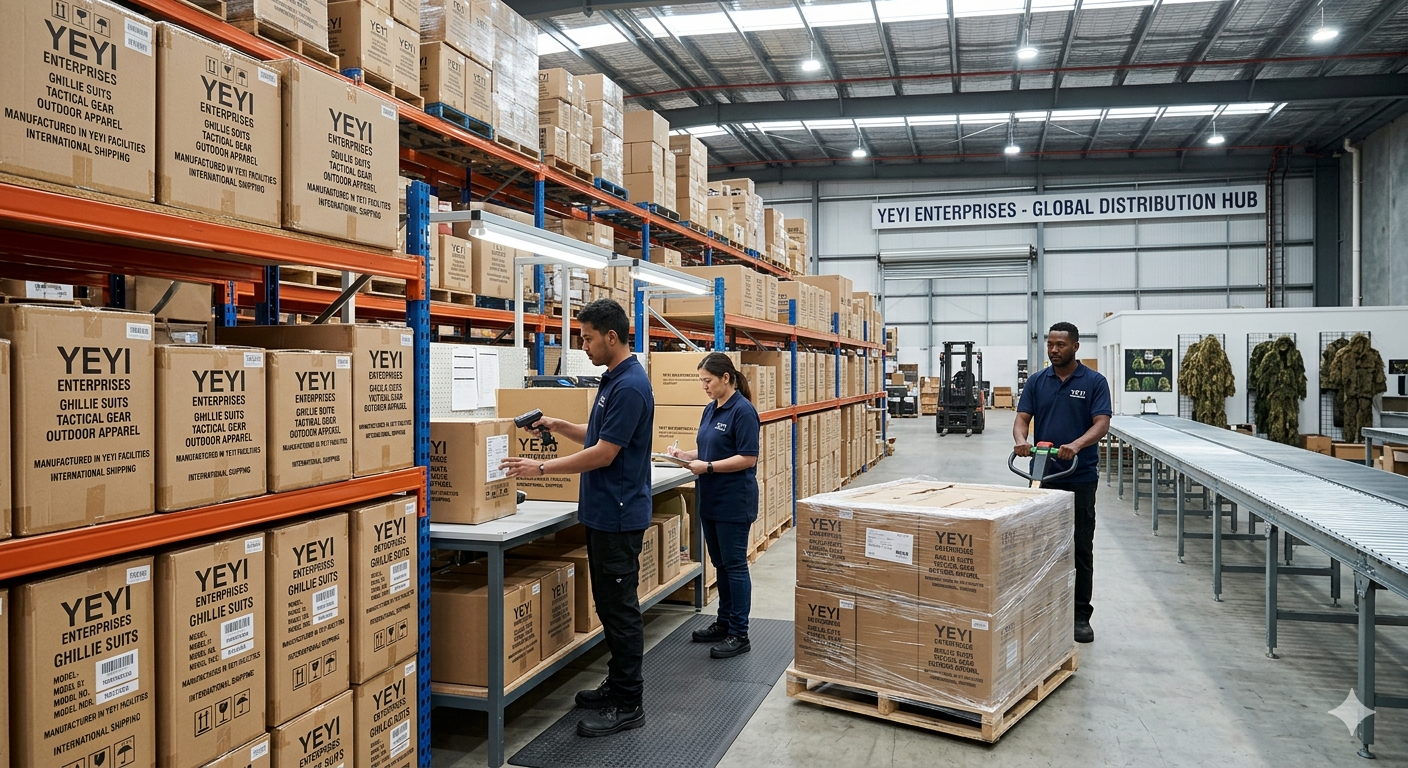
Suppliers can handle large-scale orders efficiently.
Product Diversification
You can source multiple categories from one factory.
Global Export Experience
Many suppliers are experienced in shipping worldwide.
How to Choose the Right Private Label Military Gear Supplier
Choosing the right supplier is critical for product quality and brand reputation.
Check Manufacturing Experience
Look for factories with proven military or tactical production history.
Evaluate Product Quality
Always request samples before bulk orders.
Verify Customization Capability
Ensure they support OEM and ODM services.
Review Production Capacity
Make sure they can scale with your business growth.
Communication & Support
Fast response time is essential for smooth production.
Compliance & Export Knowledge
Ensure they understand international shipping regulations.
Trends in Tactical & Military Gear Industry
The tactical gear market is evolving with new innovations and customer expectations.
Key trends include:
- Lightweight tactical gear
- Modular MOLLE systems
- Smart tactical accessories
- Eco-friendly materials
- Ergonomic designs
- Multi-functional survival tools
- Urban tactical fashion crossover
- Enhanced durability fabrics
Brands that adopt these trends gain stronger market positioning.
Importing Tips for Military Gear Buyers
Before placing bulk orders:
- Request product samples
- Confirm specifications clearly
- Check MOQ (Minimum Order Quantity)
- Verify lead times
- Inspect quality control process
- Understand shipping and customs rules
- Negotiate pricing based on volume
- Ensure branding guidelines are correct
- Test small batches first
- Build long-term supplier relationships
Conclusion
A private label military gear supplier is a powerful partner for businesses looking to enter the tactical and defense equipment market. With OEM and ODM services, brands can launch high-quality, customized military gear without investing in manufacturing infrastructure.
By choosing the right supplier, focusing on quality control, and aligning with market trends, businesses can build a strong and profitable tactical brand in the global marketplace.
Whether you are a startup or an established distributor, private label manufacturing offers the fastest and most cost-effective path to scaling in the military gear industry.