The tactical equipment industry is experiencing rapid growth as military organizations, law enforcement agencies, security companies, outdoor retailers, and survival gear brands continue to demand durable and innovative products. For businesses looking to enter or expand in this market, partnering with a private label tactical gear manufacturer is one of the most effective ways to establish a unique brand without investing in manufacturing facilities.
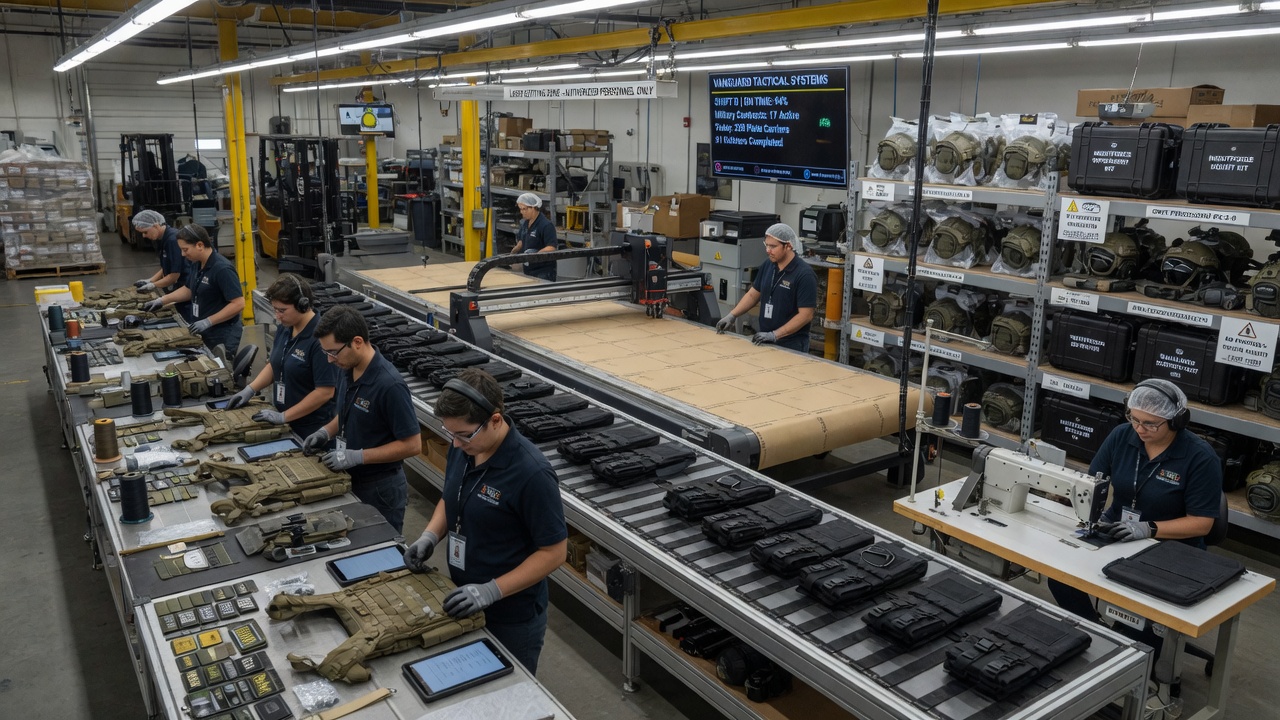
Private label manufacturing allows companies to sell professionally manufactured tactical products under their own brand name while benefiting from expert production, quality control, and scalable manufacturing. Whether you are launching an e-commerce store, supplying government agencies, or building a wholesale distribution network, choosing the right manufacturing partner can significantly impact your success.
What Is a Private Label Tactical Gear Manufacturer?
A private label tactical gear manufacturer produces tactical products that are branded and sold under a customer’s company name rather than the manufacturer’s own brand.
The manufacturer handles product development and production, while the client focuses on marketing, sales, and business growth.
Private label services typically include:
- Custom logo application
- Private branding
- Product customization
- Custom packaging
- Bulk manufacturing
- OEM production support
- Product labeling
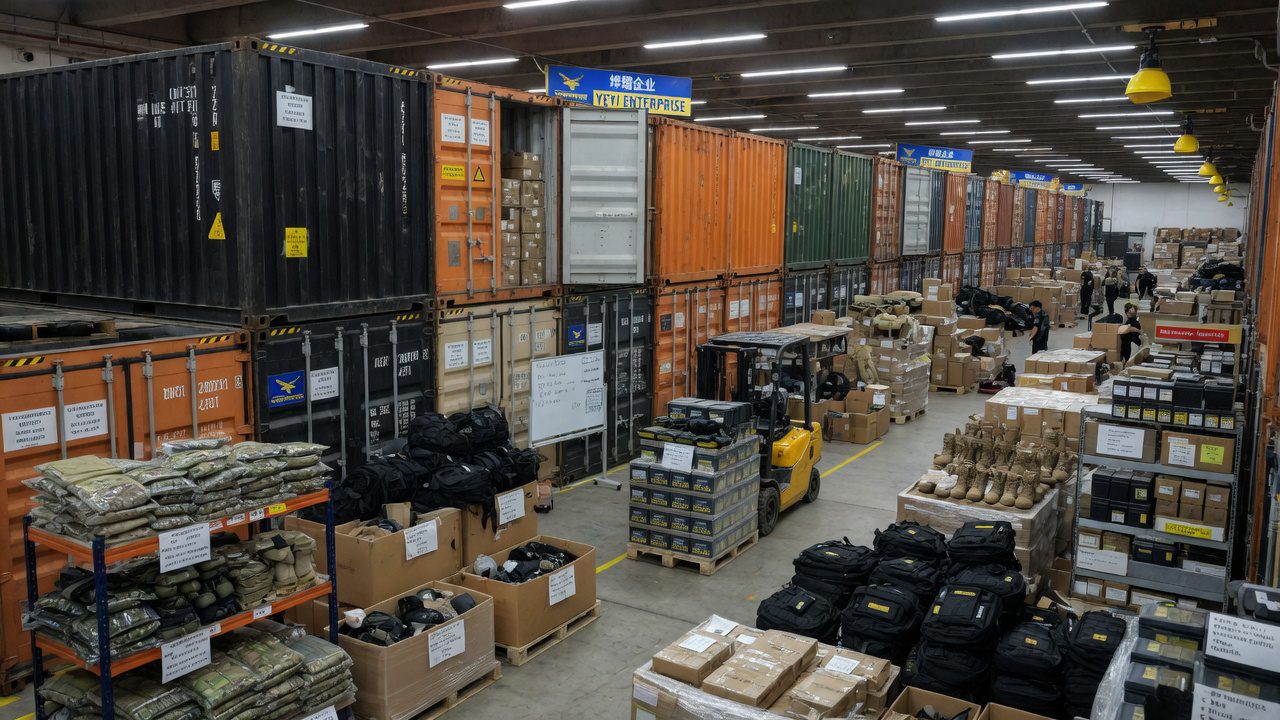
- International export services
This model enables businesses to build brand recognition while reducing production costs and operational complexity.
Benefits of Private Label Tactical Gear Manufacturing
Build Your Own Brand
Private labeling allows businesses to create a recognizable brand identity instead of selling generic products available to multiple retailers.
Faster Market Entry
Since experienced manufacturers already have production capabilities, businesses can introduce new products more quickly than developing manufacturing operations from scratch.
Cost-Effective Production
Bulk manufacturing reduces per-unit costs and helps improve profit margins for wholesalers, distributors, and retailers.
High Product Quality
Professional manufacturers implement strict quality control systems to ensure consistent performance across every production batch.
Scalable Manufacturing
As your business grows, a reliable private label manufacturer can increase production capacity without compromising quality.
Tactical Products Available for Private Label Manufacturing
Tactical Backpacks
Private label tactical backpacks are popular among military suppliers, outdoor brands, and survival equipment companies.
Common features include:
- MOLLE webbing systems
- Waterproof fabrics
- Reinforced stitching
- Hydration compartments
- Multiple storage pockets
- Heavy-duty zippers
Tactical Vests
Manufacturers can produce customized tactical vests featuring:
- Adjustable sizing
- Plate carrier compatibility
- Magazine pouches
- Utility compartments
- Lightweight construction
Tactical Belts
Private label tactical belts often include:
- Heavy-duty nylon webbing
- Quick-release buckles
- Equipment attachment points
- Adjustable sizing
Tactical Clothing
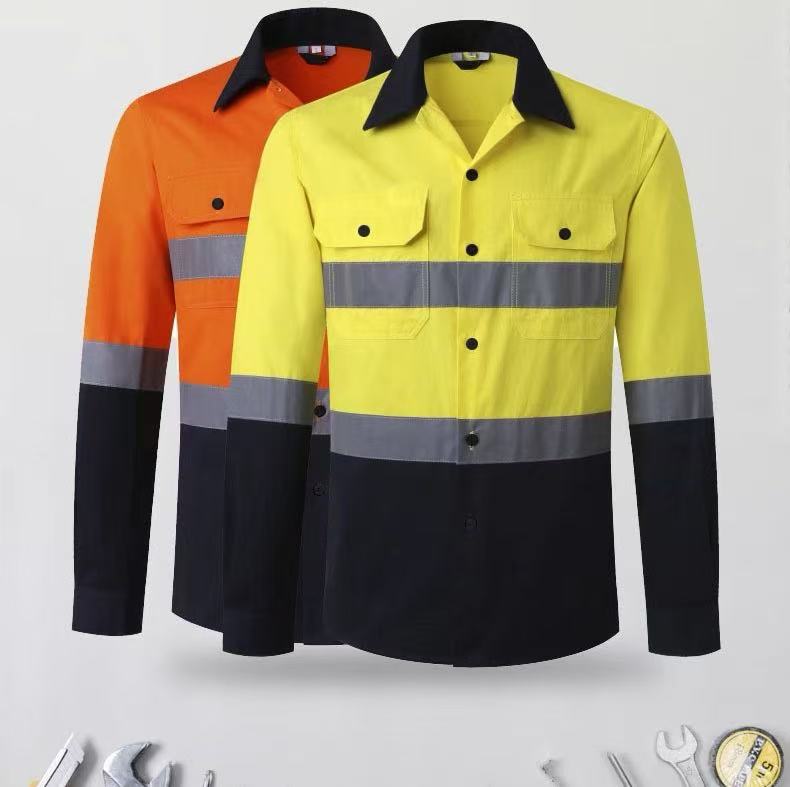
Custom tactical apparel may include:
- Combat shirts
- Tactical pants
- Jackets
- Rain gear
- Softshell uniforms
Manufacturers can tailor these products to different environments and operational requirements.
Tactical Pouches
Popular private label pouch options include:
- Medical pouches
- Utility pouches
- Radio pouches
- Magazine pouches
- Dump pouches
Tactical Gloves
Manufacturers offer customized tactical gloves with features such as:
- Reinforced palms
- Cut-resistant materials
- Breathable construction
- Touchscreen compatibility
- Impact protection
Tactical Boots
Private label tactical boots can be customized with:
- Waterproof membranes
- Slip-resistant outsoles
- Lightweight materials
- Shock-absorbing midsoles
- Durable leather or synthetic uppers
Customization Options
One of the biggest advantages of private label manufacturing is extensive customization.
Logo Branding
Businesses can customize products using:
- Embroidered logos
- Rubber patches
- Woven labels
- Printed graphics
- Heat-transfer branding
Color Options
Popular tactical colors include:
- Black
- Ranger Green
- Coyote Brown
- Olive Drab
- Desert Tan
- Camouflage patterns
Material Selection
Manufacturers commonly offer:
- 500D Nylon
- 600D Polyester
- 1000D Cordura
- Ripstop fabrics
- Water-resistant coatings
Packaging Customization
Private label services often include:
- Branded boxes
- Custom hang tags
- Poly bags
- User manuals
- Barcode labels
Professional packaging enhances brand image and improves the customer experience.
Private Label vs OEM Tactical Gear Manufacturing
| Private Label | OEM Manufacturing |
|---|---|
| Uses existing product designs | Products are built to your specifications |
| Faster production | Greater design flexibility |
| Lower development costs | Higher uniqueness |
| Ideal for startups | Ideal for established brands |
| Focuses on branding and packaging | Focuses on custom engineering and branding |
Many businesses begin with private label manufacturing and later transition to OEM solutions as their brand grows.
Quality Control Standards
Reliable private label tactical gear manufacturers maintain strict quality assurance procedures.
Raw Material Inspection
Every batch of fabric, hardware, and accessories is inspected before production begins.
Production Monitoring
Quality inspectors monitor stitching, assembly, and dimensions throughout manufacturing.
Performance Testing
Finished products may undergo:
- Load testing
- Water resistance testing
- Abrasion testing
- Stitch strength evaluation
Final Inspection
Each product is checked for appearance, functionality, and compliance before packaging and shipment.
Industries That Use Private Label Tactical Gear
Private label tactical products are widely used across industries, including:
- Military suppliers
- Law enforcement agencies
- Private security firms
- Outdoor equipment brands
- Hunting retailers
- Survival gear companies
- Government contractors
- E-commerce businesses
How to Choose the Right Private Label Tactical Gear Manufacturer
When evaluating potential partners, consider the following factors:
Manufacturing Experience
Choose a company with proven expertise in tactical equipment production and export.
Product Range
A manufacturer with a broad catalog can support future product expansion.
Customization Capabilities
Verify that the manufacturer can meet your branding, packaging, and product requirements.
Production Capacity
Ensure they can accommodate both current and future order volumes.
Quality Assurance
Ask about inspection procedures, testing methods, and quality management systems.
Communication and Support
Responsive communication helps avoid delays and ensures smoother project execution.
Questions to Ask Before Placing an Order
Before signing an agreement, ask:
- What is your minimum order quantity (MOQ)?
- What private label options do you provide?
- Can products be fully customized?
- What materials do you use?
- How long is the production lead time?
- Do you provide samples?
- What export markets do you serve?
- What quality control procedures are in place?
Future Trends in Private Label Tactical Gear Manufacturing
The tactical industry continues to evolve with advancements in technology and materials.
Emerging trends include:
- Lightweight high-performance fabrics
- Laser-cut MOLLE systems
- Sustainable manufacturing practices
- Modular tactical equipment
- Smart tactical accessories
- Enhanced ergonomic designs
Manufacturers that invest in innovation can better support brands seeking a competitive advantage.
Conclusion
Partnering with a trusted private label tactical gear manufacturer enables businesses to launch and grow a professional tactical brand without the complexity of owning manufacturing facilities. From tactical backpacks and vests to belts, apparel, boots, and accessories, private label production offers flexibility, cost efficiency, and consistent quality.
By choosing an experienced manufacturing partner with strong customization capabilities and rigorous quality control, businesses can build a distinctive brand and compete successfully in the global tactical equipment market.