Introduction
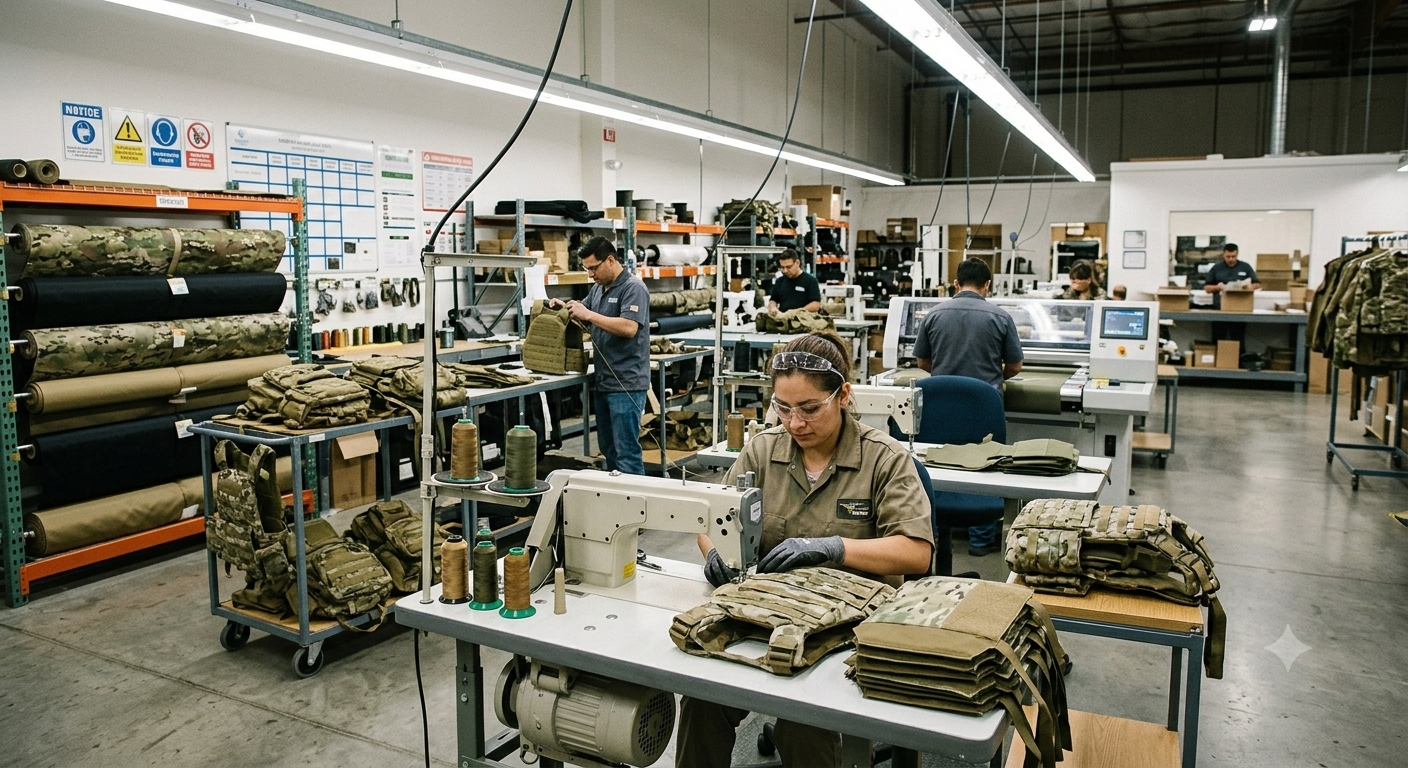
The United States is home to some of the world’s most respected tactical gear manufacturers, serving military, law enforcement, security companies, outdoor professionals, and government agencies. For distributors, wholesalers, procurement managers, and importers in Russia and other international markets, sourcing from tactical gear manufacturers USA can provide access to premium-quality products, advanced manufacturing capabilities, and internationally recognized quality standards.
As global demand for tactical equipment continues to grow, buyers are increasingly seeking reliable American manufacturers that offer customization, private labeling, OEM production, and compliance with military specifications.
This guide explores the leading advantages of working with tactical gear manufacturers in the USA, manufacturing capabilities, pricing considerations, certifications, and key supplier selection criteria to help B2B buyers make informed purchasing decisions.
What Is Tactical Gear?
Tactical gear refers to specialized equipment, apparel, and accessories designed for military, law enforcement, security personnel, first responders, and outdoor professionals.
Common tactical products include:
- Tactical backpacks
- Plate carriers
- Tactical vests
- Duty belts
- Holsters
- Tactical gloves
- Protective eyewear
- Combat uniforms
- Knee and elbow protection
- MOLLE-compatible pouches
- Tactical flashlights
- Medical kits
These products are engineered for durability, functionality, and performance in demanding environments.
Why Source from Tactical Gear Manufacturers USA?
American tactical equipment manufacturers have built a global reputation for quality, innovation, and compliance.
Key Advantages
Superior Product Quality
Most tactical gear manufacturers USA maintain strict quality control procedures throughout production.
Benefits include:
- Higher durability
- Better material consistency
- Improved stitching quality
- Longer product lifespan
- Reduced warranty claims
Military Grade Manufacturing
Many manufacturers produce equipment that meets military specifications (MIL-SPEC).
This ensures:
- Rugged construction
- Field-tested performance
- Environmental resistance
- Reliable load-bearing capability
Advanced Material Technology
Leading manufacturers use premium materials such as:
- Cordura nylon
- Ballistic nylon
- Hypalon
- Kevlar components
- High-density polyester
- Laser-cut laminate fabrics
These materials improve strength while reducing weight.
Reliable Supply Chains
American suppliers often offer:
- Consistent production schedules
- Stable inventory management
- Strong customer support
- Better documentation
- Export experience
Types of Tactical Gear Manufactured in the USA
Tactical Load Bearing Equipment
Products include:
- Plate carriers
- Chest rigs
- Battle belts
- Harness systems
Common buyers:
- Military organizations
- Security firms
- Government agencies
Tactical Bags and Backpacks
Popular categories:
- Assault packs
- Patrol backpacks
- Medical bags
- Range bags
- Deployment bags
Key features:
- MOLLE compatibility
- Waterproof coatings
- Reinforced stitching
- Multiple compartments
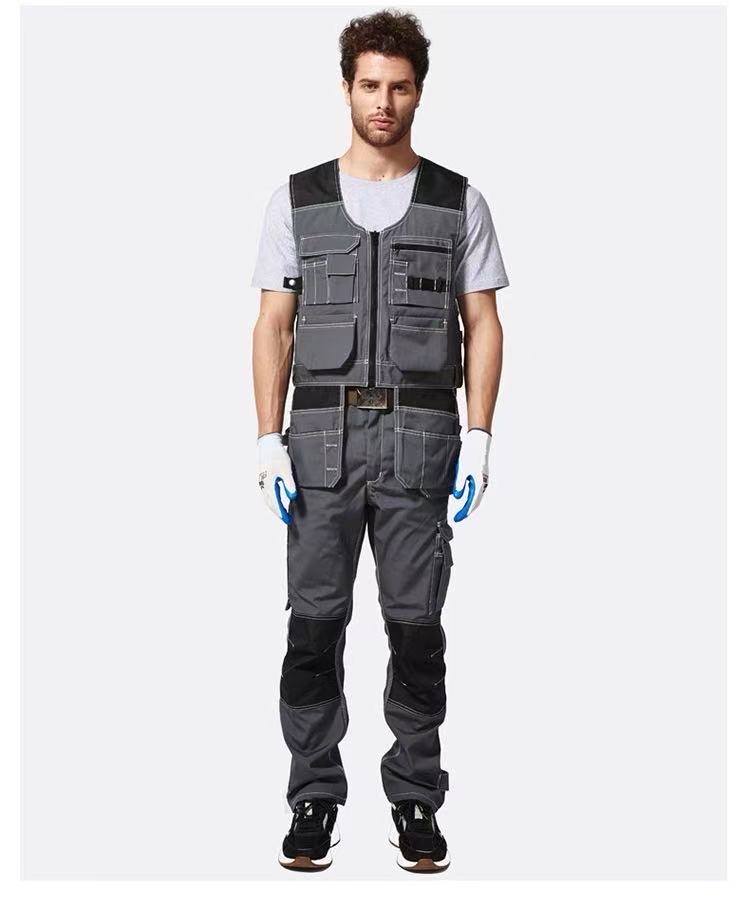
Tactical Apparel
Manufacturers produce:
- Combat shirts
- Tactical pants
- Softshell jackets
- Rain gear
- Uniform systems
Demand is growing among military contractors and private security companies.
Tactical Accessories
Examples include:
- Holsters
- Magazine pouches
- Radio pouches
- Utility pouches
- Weapon slings
- Medical kits
Manufacturing Capabilities to Evaluate
When selecting a tactical gear supplier, buyers should carefully assess manufacturing capabilities.
Material Sourcing
Ask suppliers about:
- Fabric origins
- Material certifications
- Supplier traceability
- Compliance documentation
Product Development
Strong manufacturers offer:
- CAD design support
- Prototype development
- Product testing
- Engineering consultation
OEM and ODM Services
Many tactical gear manufacturers USA provide:
OEM Manufacturing
Buyer provides:
- Product design
- Specifications
- Branding
Manufacturer handles production.
ODM Manufacturing
Supplier develops products that buyers can customize and brand.
Ideal for distributors seeking faster market entry.
Private Label Services
Private labeling allows businesses to:
- Build their own brand
- Increase margins
- Improve market positioning
- Differentiate products
Tactical Gear Manufacturer Selection Checklist
Quality Certifications
Look for suppliers with:
| Certification | Importance |
|---|---|
| ISO 9001 | Quality management |
| Berry Compliance | U.S. military sourcing |
| MIL-SPEC Compliance | Military-grade standards |
| ANSI Standards | Safety compliance |
| ITAR Compliance | Defense export regulations |
Production Capacity
Evaluate:
- Monthly output
- Lead times
- Factory workforce
- Scalability
- Equipment investment
Export Experience
For Russian and international buyers, manufacturers should provide:
- Export documentation
- Commercial invoices
- Packing lists
- Product certificates
- Logistics support
Custom Tactical Gear Manufacturing Options
Customization has become a major competitive advantage.
Popular Customization Features
Custom Colors
Common options:
- Black
- Coyote Brown
- Ranger Green
- Multicam
- Woodland
- Digital camouflage
Custom Branding
Manufacturers may offer:
- Woven labels
- Rubber patches
- Embroidery
- Heat transfer logos
- Laser engraving
Custom Functional Features
Examples:
- Additional pockets
- Specialized compartments
- Enhanced MOLLE layouts
- Waterproof enhancements
- Reinforced load points
MOQ Requirements for Tactical Gear Manufacturing
Minimum Order Quantities vary significantly among manufacturers.
| Product Category | Typical MOQ |
| Tactical Pouches | 100–500 units |
| Tactical Bags | 100–300 units |
| Tactical Vests | 50–200 units |
| Tactical Uniforms | 100–500 pieces |
| Private Label Products | 300–1000 units |
Factors affecting MOQ:
- Product complexity
- Material sourcing
- Customization level
- Production setup costs
Pricing Factors for Tactical Gear Manufacturing
Many buyers ask:
How Much Does Tactical Gear Cost?
Pricing depends on several variables.
Material Quality
Premium materials increase costs but improve performance.
Examples:
- Cordura nylon
- Ballistic fabrics
- Flame-resistant materials
Manufacturing Complexity
Costs rise with:
- Laser cutting
- Advanced stitching
- Reinforcement panels
- Waterproof treatments
Customization
Private labeling and custom design work can increase pricing.
Order Volume
Higher volumes generally reduce per-unit costs.
USA vs Overseas Tactical Gear Manufacturing
| Factor | USA Manufacturers | Overseas Manufacturers |
| Quality Consistency | Excellent | Variable |
| Lead Times | Faster | Often Longer |
| Communication | Easier | Can Be Challenging |
| MOQ Flexibility | Moderate | Often Higher |
| Compliance Standards | Strong | Varies |
| Unit Cost | Higher | Lower |
For premium markets, government contracts, and professional users, USA-made tactical gear often delivers stronger long-term value.
How B2B Buyers Can Vet Tactical Gear Suppliers
Request Product Samples
Evaluate:
- Stitching quality
- Material durability
- Hardware strength
- Overall workmanship
Verify Certifications
Always request copies of:
- ISO certificates
- Compliance reports
- Testing documents
Conduct Factory Audits
Assess:
- Production capabilities
- Workforce expertise
- Quality systems
- Inventory management
Review Existing Customers
Ask suppliers for:
- Case studies
- Client references
- Project examples
Emerging Trends in the Tactical Gear Industry
Lightweight Tactical Equipment
Users increasingly prefer lighter equipment without sacrificing durability.
Modular Gear Systems
Modularity allows customization based on mission requirements.
Smart Tactical Equipment
Growing adoption includes:
- GPS integration
- Wearable sensors
- Communication systems
Sustainable Manufacturing
Manufacturers are increasingly exploring:
- Recycled fabrics
- Eco-friendly coatings
- Sustainable packaging
Use Cases for Tactical Gear Procurement
Military Procurement
Requirements include:
- MIL-SPEC compliance
- Long-term durability
- Large production capacity
Security Companies
Common purchases:
- Tactical vests
- Duty belts
- Patrol bags
Emergency Response Teams
Demand includes:
- Medical kits
- Rescue equipment
- Protective apparel
Outdoor and Tactical Retailers
Retailers frequently source:
- Tactical backpacks
- Tactical clothing
- Survival equipment
Frequently Asked Questions
1. What are the benefits of sourcing from tactical gear manufacturers USA?
American manufacturers offer high quality standards, advanced materials, military-grade production, and reliable supply chains.
2. Do USA tactical gear manufacturers provide OEM services?
Yes. Many suppliers offer OEM manufacturing for distributors, brands, and government buyers.
3. Can I order custom tactical gear with my own brand?
Most manufacturers provide private label and branding services.
4. What is the typical MOQ for tactical gear?
MOQ generally ranges from 50 to 1000 units depending on product type and customization.
5. Are American tactical products MIL-SPEC compliant?
Many manufacturers produce products that meet military specifications and government requirements.
6. How long are production lead times?
Lead times typically range from 4 to 12 weeks depending on order size and customization.
7. What materials are commonly used in tactical gear?
Cordura nylon, ballistic nylon, Kevlar components, polyester, and laminate fabrics are commonly used.
8. How can I verify supplier quality?
Request samples, certifications, factory audits, and customer references.
9. Do manufacturers export internationally?
Yes. Many USA tactical gear manufacturers have extensive export experience.
10. What factors influence pricing?
Materials, customization, production complexity, certifications, and order volume are the main factors.
Conclusion
For distributors, wholesalers, procurement managers, and importers targeting professional, military, and security markets, working with tactical gear manufacturers USA offers significant advantages in quality, reliability, customization, and compliance. While manufacturing costs may be higher than some overseas alternatives, the long-term benefits often include fewer product failures, stronger customer satisfaction, and greater brand credibility.
When evaluating suppliers, focus on manufacturing capabilities, certifications, OEM services, MOQ requirements, export experience, and customization options. By selecting the right manufacturing partner, businesses can secure a competitive advantage in the growing global tactical equipment market.